


From The Baths to Anegada’s lobster and the Soggy Dollar’s Painkiller, Privilège Marine charts the British Virgin Islands aboard a large catamaran.
The British Virgin Islands form one of the world’s most forgiving cruising grounds, and a 50- to 70-foot (15- to 21-metre) catamaran is the ideal way to see them. The islands sit within sight of one another along the Sir Francis Drake Channel, so passages rarely run more than two hours. Steady trade winds, flat water and a dense network of mooring balls make the sailing easy and the days long. The pleasure lies in the stops: the granite grottoes of The Baths, the floating bar at the Willy T, lobster grilled on Anegada, and the original Painkiller at the Soggy Dollar. Big catamarans reach shallow anchorages that deeper yachts cannot, though their beam and length call for planning around the mooring system. Privilège Marine charts where to sail, where to anchor, where to eat and what to do, at sea and ashore.
The Cruising Ground That Rewards a Big Catamaran
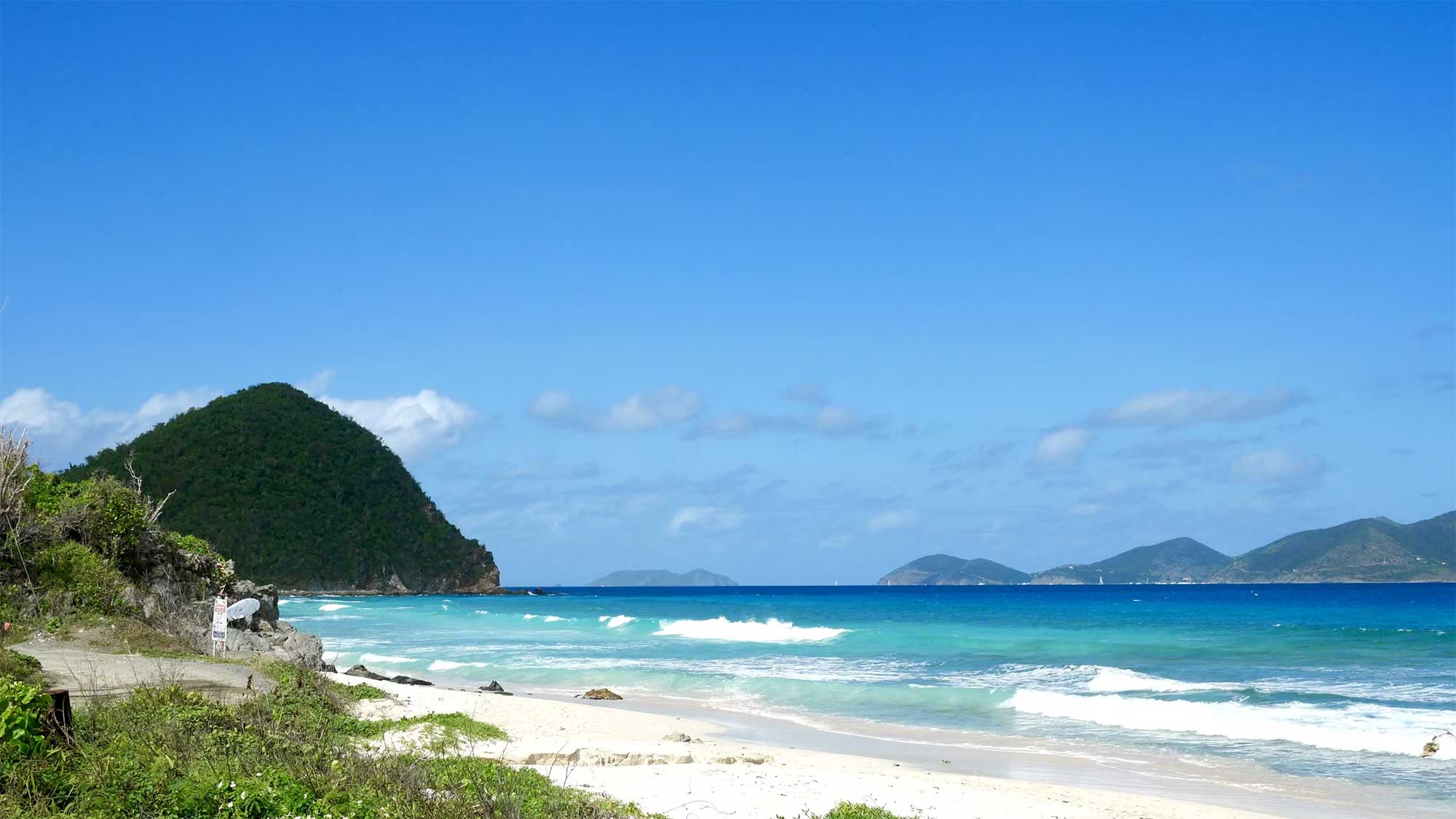
The appeal of sailing the British Virgin Islands is the geography. Some 60 islands and cays cluster along about 60 kilometres (32 nautical miles) of the Sir Francis Drake Channel, almost always within sight of one another. You navigate by eye. Trade winds blow a reliable 15 to 20 knots through the winter season, the water sits at 26 to 28 degrees Celsius (79 to 82 Fahrenheit), and most hops between anchorages run five to twenty nautical miles. A morning sail, lunch on a beach, an afternoon snorkel: the rhythm sets itself.
A cruising catamaran suits this place well. Its shallow draft, often around 1.5 metres (5 feet), opens sandy bays that deep-keeled monohulls must skip. Its beam gives stable, level decks for the long hours at anchor that define a charter here.
The Practicalities of Mooring a Yacht This Size
Frankness helps here. The BVI runs on mooring balls, not anchors, and a large catamaran has to plan around them. Most park and commercial moorings are rated to about 55 feet (17 metres), so a 60- or 70-foot (18- to 21-metre) yacht often needs a large commercial mooring, a marina berth, or a careful anchor in sand. The buoys are colour-coded: red and orange for day use, white for daytime diving, blue for dinghies, and larger yellow balls for vessels over 55 feet. A National Parks Trust permit is mandatory, and many balls are booked through the BoatyBall app, which opens reservations at 07:00 and sells out within minutes at popular spots. North Sound on Virgin Gorda, deep and sheltered, is the natural base for a yacht this size, with berths at Bitter End, Leverick Bay and Scrub Island nearby. One rule is absolute: nobody sails the BVI after dusk.
The Islands and Anchorages Worth Your Wake
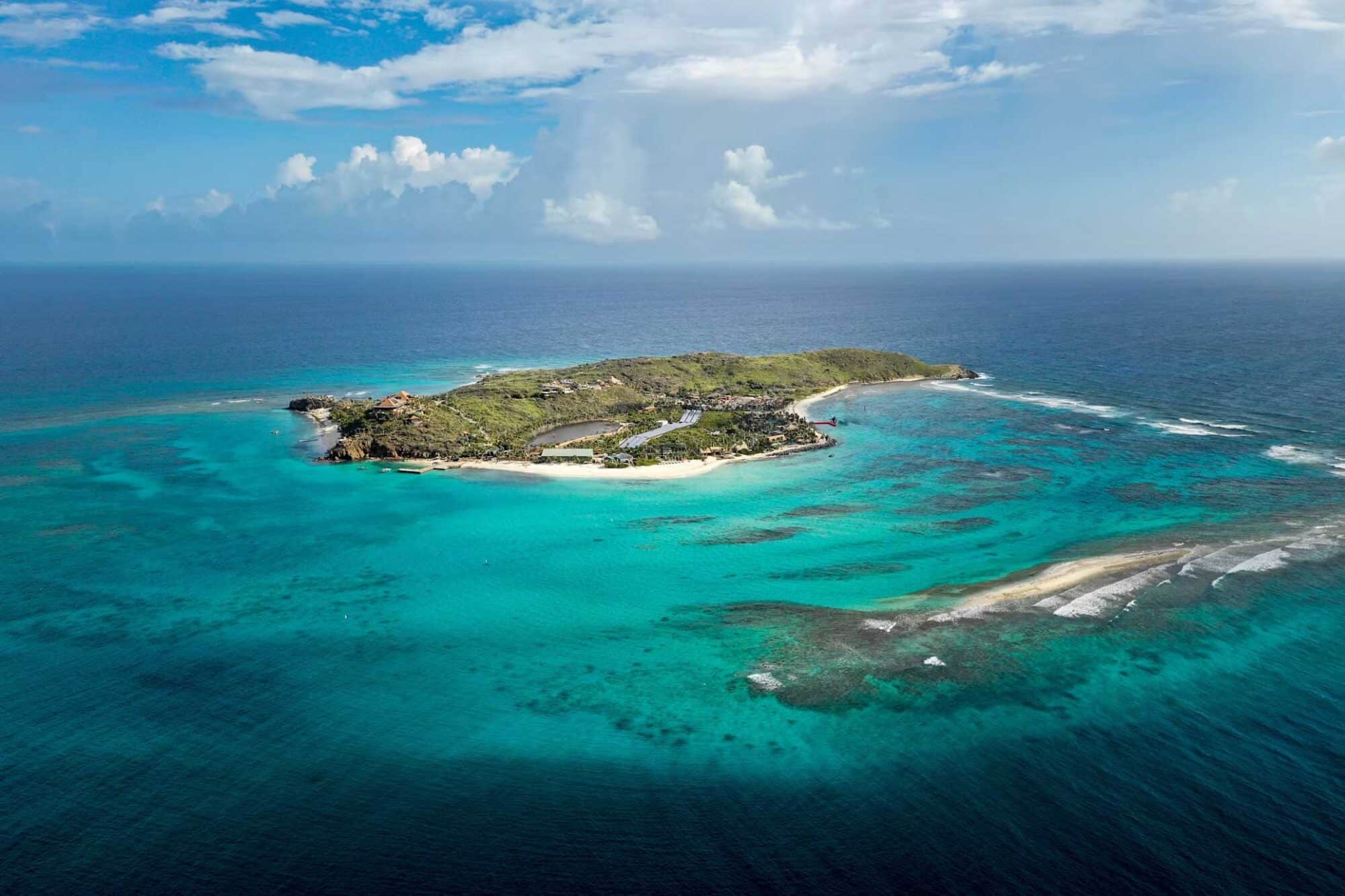
A counter-clockwise loop from Tortola takes in the best of them. Norman Island anchors the south, where the Bight offers a broad, protected bay and the nearby Caves and the Indians give some of the archipelago’s finest snorkelling. Peter Island holds Deadman’s Bay, a crescent of sand with pirate history and room to swim. Cooper Island’s Manchioneel Bay enforces a strict no-anchoring policy to protect its turtle grass, so a mooring is essential.
Salt Island guards the RMS Rhone, a Royal Mail steamer that sank in a hurricane in 1867 with the loss of more than 120 lives. She lies in 9 to 26 metres (30 to 85 feet) and ranks among the Caribbean’s great wreck dives. Virgin Gorda delivers the headline sights at The Baths and the playground of North Sound. Anegada, the only coral atoll in a chain of volcanic peaks, lies low on the horizon 20 kilometres (11 nautical miles) north, ringed by the 29-kilometre (18-mile) Horseshoe Reef. Jost Van Dyke closes the loop in the northwest, with White Bay and Great Harbour. Between them sit jewels like Sandy Spit and the Dog Islands, whose Coral Gardens reward a calm-day snorkel.
The Beach Clubs Where the Fleet Gathers
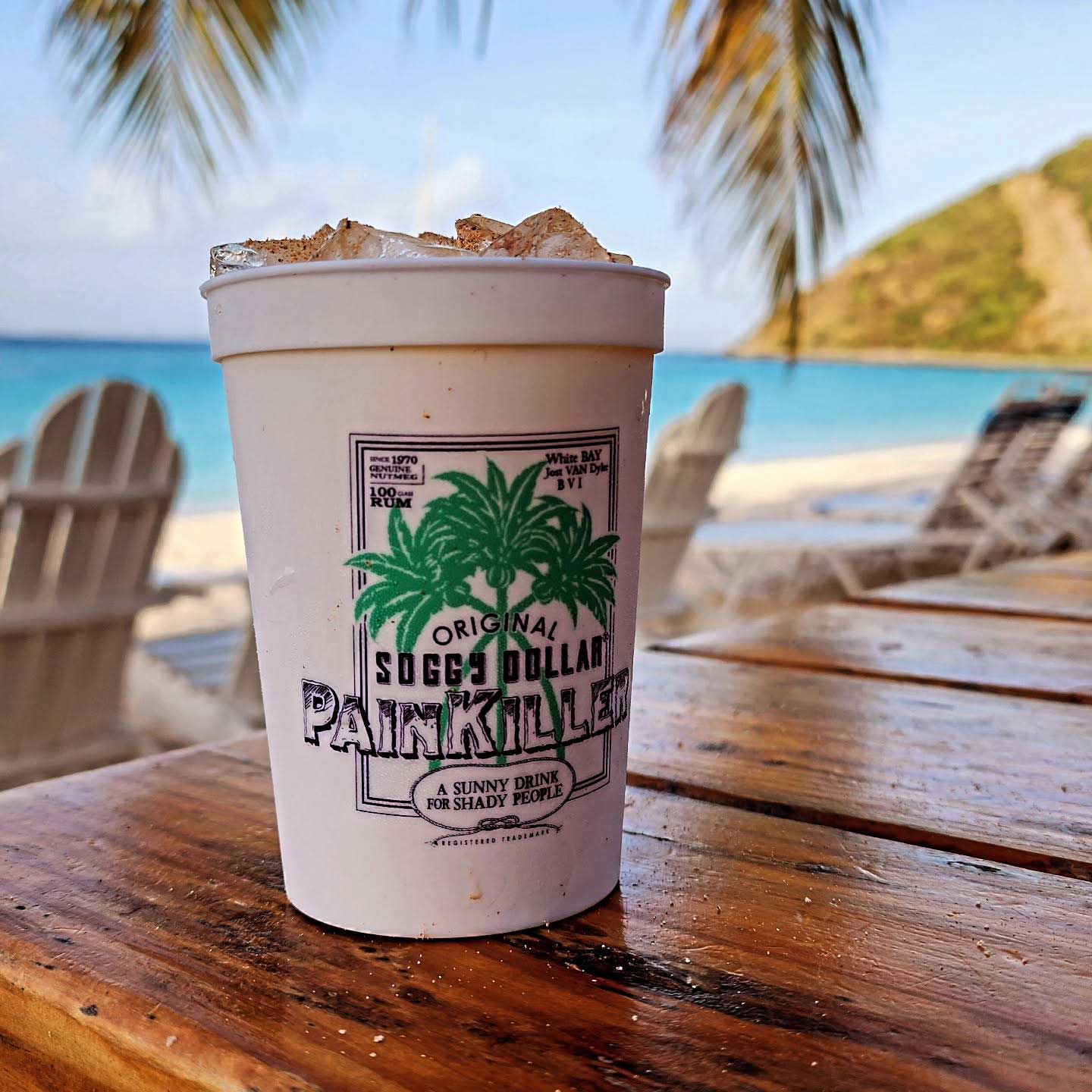
Few cruising grounds have so many institutions packed so tightly. The Soggy Dollar Bar in White Bay, Jost Van Dyke, is the most famous of all. It invented the Painkiller in the 1970s, and its name comes from the soggy banknotes of sailors who swam ashore to drink. A short walk away, Foxy’s in Great Harbour has run since 1968 under the irrepressible Foxy Callwood, with weekend beach barbecues that draw the whole fleet. Next to the Soggy Dollar, Hendo’s Hideout offers a more polished take on the same beach.
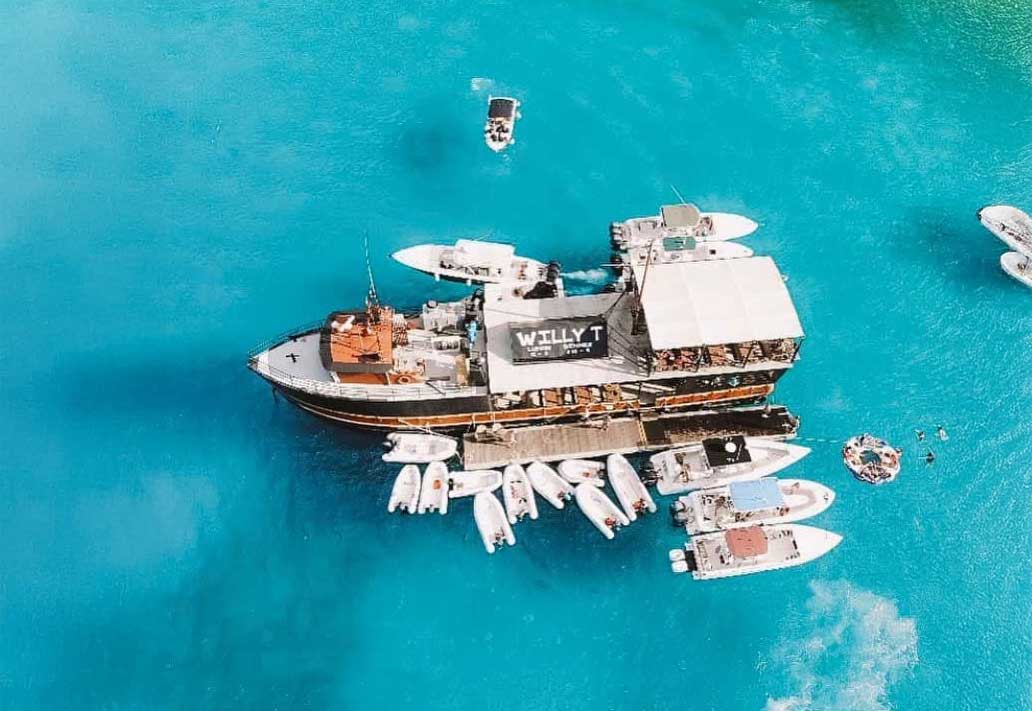
Off Norman Island, the Willy T floats in the Bight, rebuilt after Hurricane Irma and as raucous as ever. Cooper Island Beach Club is the considered choice: an eco-resort whose rum bar pours more than 280 labels, beside the first solar-powered microbrewery in the islands. In North Sound, Saba Rock and the Bitter End Yacht Club have both reopened and once again anchor the evening scene, while Oil Nut Bay and Leverick Bay add polish. On Virgin Gorda’s west side, CocoMaya serves elegant beachfront plates around fire pits, and Pirates Bight keeps the party going back at Norman Island.
The Local Table: Lobster, Conch and the Painkiller
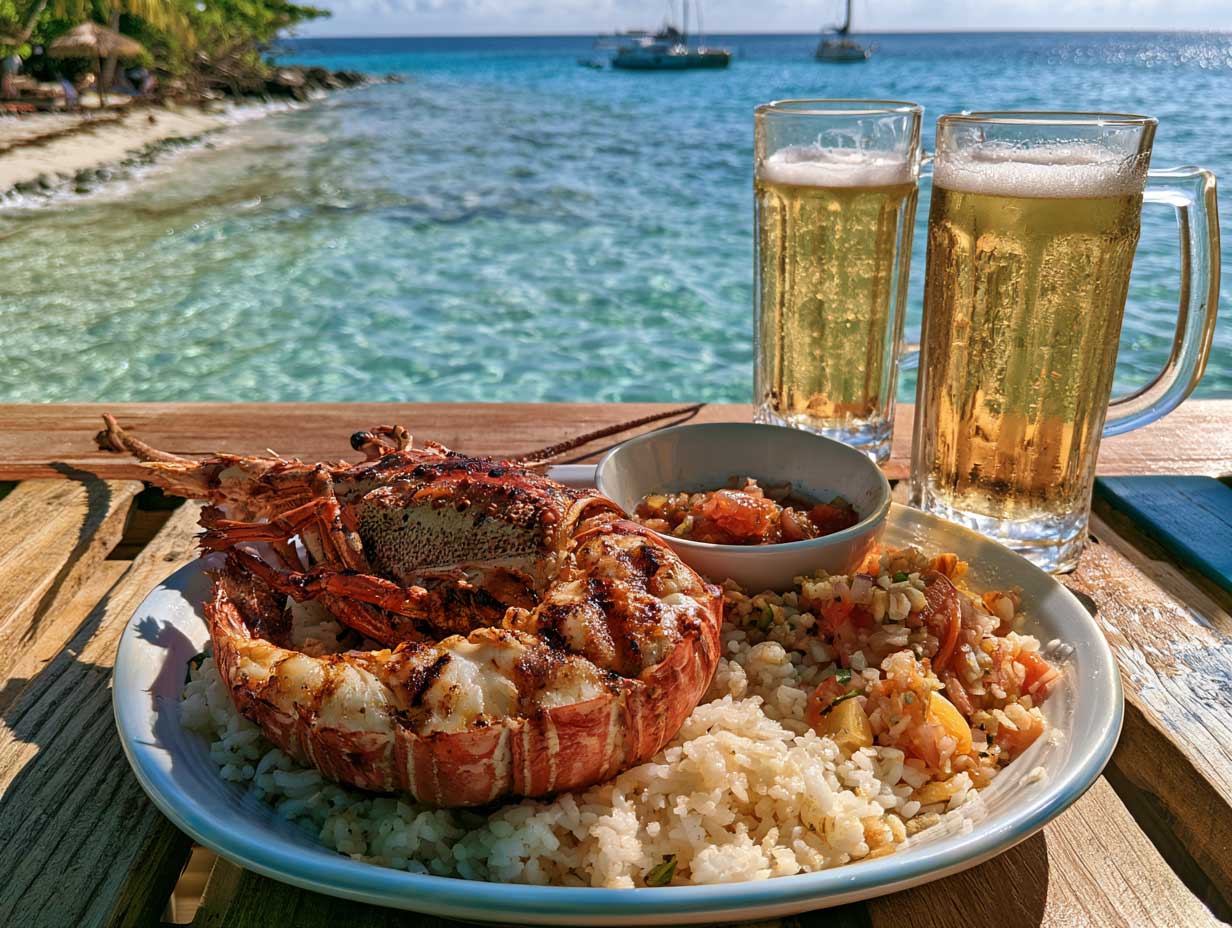
The food here is simple, fresh and tied to the sea. Anegada lobster is the dish that defines the islands, a sweet spiny lobster grilled over open coals on the beach. Eat it at the Anegada Reef Hotel, at Potter’s by the Sea, or barefoot at the Cow Wreck Beach Bar, and book ahead, since the catch is counted by the day. The island’s November lobster festival is worth timing a voyage around.
Conch appears everywhere, in fritters and in a slow-cooked chowder. Look also for fungi, the cornmeal-and-okra staple that gives BVI cooking its backbone, for goat or chicken roti, and for johnny cakes fried golden. The Painkiller completes the table: dark rum, cream of coconut, pineapple and orange juice, dusted with grated nutmeg. On Tortola, Myett’s in Cane Garden Bay is the reliable stop for a sit-down local meal ashore.
The Experiences That Define a Voyage Here
The single sight no one should miss is The Baths on Virgin Gorda. House-sized granite boulders form a maze of grottoes and tidal pools, including the famous Cathedral Room, that you scramble and swim through to reach Devil’s Bay. Take a mooring, since anchoring is banned. Day-use balls run about 30 US dollars, park admission is 3 US dollars per person, and drones, fishing and glass are forbidden. Go at first light, before the day boats arrive, and heed the red flags that signal dangerous rip currents.
The water offers more. Dive or snorkel the Rhone off Salt Island. Snorkel the Indians and the Caves at Norman Island, and the Coral Gardens at the Dogs. On Jost Van Dyke, hike the short trail to the Bubbly Pool, a natural rock basin that froths like a jacuzzi when the swell rolls in. North Sound and Eustatia are superb for kitesurfing and paddleboarding in flat, protected water.
Ashore, Anegada repays a rented jeep. Its salt ponds shelter a restored colony of Caribbean flamingos, and Conch Island, built from centuries of discarded pink shells, sits offshore as a strange monument to the local trade. These are the days that turn a sailing holiday into a memory worth keeping.
The Rhythm You Will Want to Keep
What stays with you is the cadence. Short sails, long swims, a different anchorage each night, and an evening ashore that ranges from a plastic chair at Foxy’s to fire pits at CocoMaya. A large catamaran lets you hold that rhythm in comfort, with the shallow draft to reach the quiet bays and the space to live well between them.
At Privilège Marine, we build catamarans as floating homes meant to carry their owners to places exactly like this one. The British Virgin Islands ask little of the sailor and give a great deal in return. The reward is time, spent on the water, among islands that still feel like a secret shared between the boats that visit them.