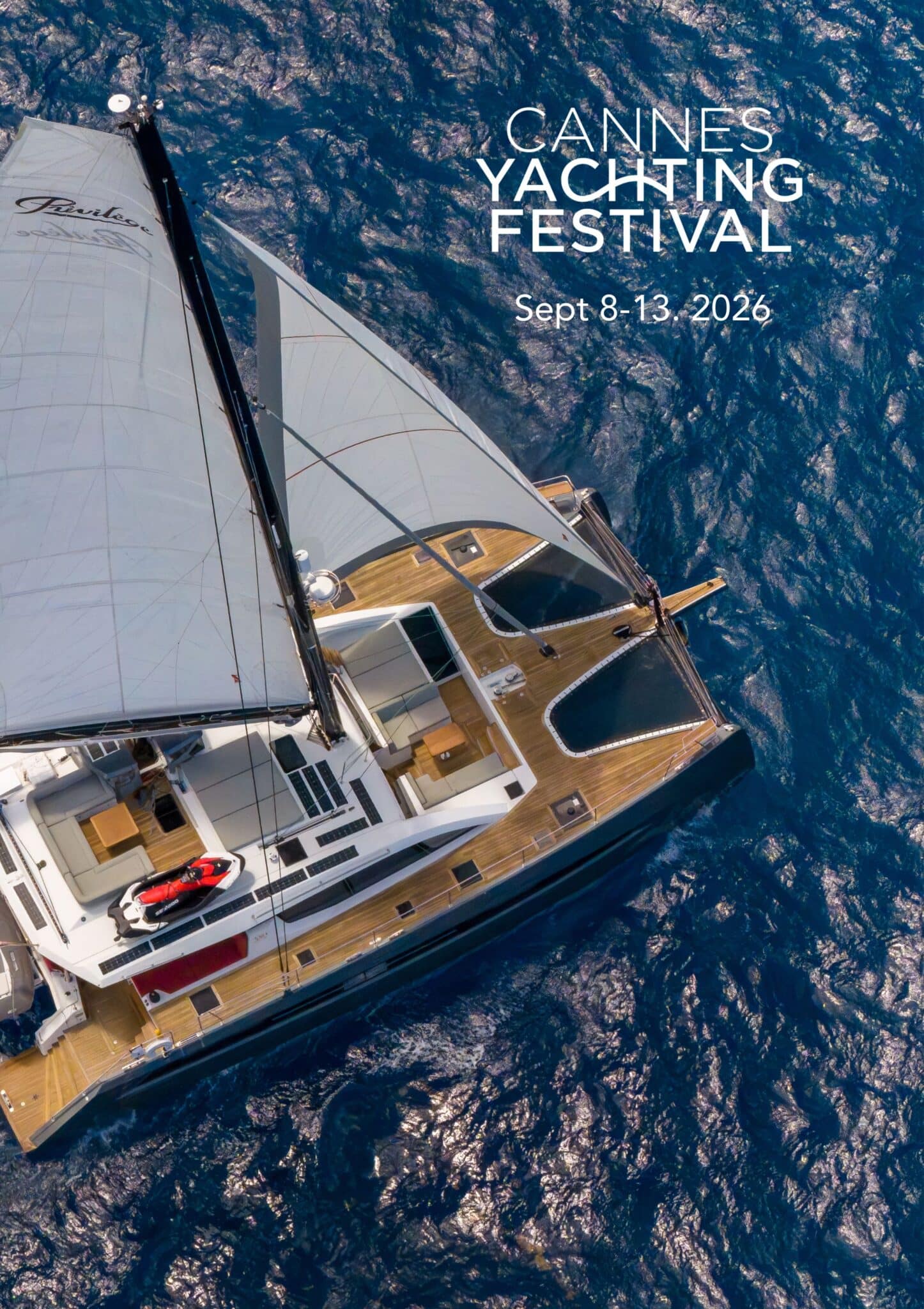
Privilège Global Care turns yacht delivery into long-term support through rapid response, global partners and mobile technical teams.
A long-range yacht is not finished when ownership changes hands. It enters a harder phase: real use across changing climates, service cultures and time zones. Privilège Global Care is designed for that reality. Each owner gains a direct communication structure, including a dedicated WhatsApp group and a commitment to acknowledge requests within 24 hours. Behind that first contact sits a growing network of technical partners across the Mediterranean, the Caribbean, the United States and the Pacific. When work requires shipyard knowledge, Privilège Marine can send mobile teams to the yacht rather than forcing the owner to return to France. The purpose is not to promise that nothing will fail. No serious shipyard should make that claim. It is to diagnose clearly, coordinate the right people and remain accountable over the long term. New after-sales packages and a structured refit programme are now being prepared to extend that commitment.
The Delivery Starts the Operating Relationship
The marine industry still places too much emphasis on delivery day. The yacht is polished, the documents are signed and the photographs are taken. Yet for an owner planning long-distance cruising, that ceremony is when the product begins to prove itself.
A bluewater catamaran is a network of interconnected systems. Engines, generators, batteries, inverters, pumps, watermakers, refrigeration, navigation electronics and domestic equipment must operate together. They face salt, heat, vibration, humidity and repeated load cycles. Even well-engineered equipment requires adjustment, maintenance and repair.
That is why catamaran after-sales service cannot be treated as a warranty desk. It must function as an operating relationship. The owner needs people who understand the yacht as built, not merely the component that has raised an alarm.
Privilège Marine has built ocean-going catamarans in Les Sables-d’Olonne for more than 40 years. Its yachts are conceived for owners who may spend months away from the shipyard. A World ARC circumnavigation covers about 48,152 kilometres (26,000 nautical miles) over 15 months. Even an Atlantic crossing from Gran Canaria to Saint Lucia is roughly 5,000 kilometres (2,700 nautical miles). At those distances, support cannot depend on proximity to France.
The First Response Must Create Clarity
Every Privilège owner can be connected through a dedicated WhatsApp group. This creates a direct channel between the yacht, the owner or captain and the relevant Privilège Marine contacts.
A photograph of a leaking fitting, a video of an unusual pump cycle or an alarm message can be shared immediately. The shipyard can review the yacht’s specification and determine whether the issue concerns operation, adjustment, a supplier component or deeper intervention.
Privilège Marine commits to acknowledging requests within 24 hours. The wording matters. An acknowledgement is not a completed repair. A responsible service organisation should not disguise uncertainty with an artificial deadline. The first obligation is to confirm receipt, establish urgency, identify the technical lead and explain the next step.
Some matters can be resolved remotely. Others require a local technician, a replacement part or a shipyard intervention. The owner should know which category applies and who is responsible.
The Global Network Connects Local Skills to the Shipyard
No shipyard can maintain permanent teams in every marina. The credible model is a controlled partner network combining geographical reach with access to the builder’s technical knowledge.
Privilège Marine is developing bluewater catamaran support through partners in the Mediterranean, the Caribbean, the United States and the Pacific. These regions cover many principal cruising routes, but their suppliers, lead times and labour structures differ.
The network therefore does more than provide an address. Privilège can help define the work, communicate technical information and coordinate with the owner, captain, marina, equipment manufacturer and local contractor. This reduces a common source of repair failure: several competent parties working without a single technical narrative.
The objective is an offshore sailing support network in which local execution remains connected to the yacht’s original engineering logic.
The Mobile Teams Go Where Builder Knowledge Is Required
Some repairs should not be delegated. They may involve structural work, bespoke joinery, complex system integration or a modification whose effects extend beyond one component. In these cases, Privilège Marine can deploy mobile teams to the yacht.
Returning a large catamaran to Les Sables-d’Olonne may be unreasonable. The vessel could be in Greece, the Caribbean or the Pacific, with a fixed cruising programme and seasonal weather constraints. Moving it thousands of kilometres for one intervention may create more cost and risk than the repair itself.
A mobile response brings the required competence to the vessel. The team can inspect the issue, perform or supervise the work and coordinate local resources. When a repair must be carried out by Privilège Marine, the owner should not be left to recreate the shipyard through unrelated subcontractors.
Mobility is a condition of global support.

The Communication Record Protects Long-Term Value
Fast messaging is useful, but long-term support requires memory. Every diagnosis, replacement, adjustment and upgrade contributes to the yacht’s technical history.
A mature process should connect conversations with drawings, supplier references, photographs and completed work. This helps future technicians understand what changed and why. It also matters when the yacht changes captain, cruising area or ownership.
Privilège Marine’s role is to maintain communication beyond the immediate repair. Owners should receive progress updates when several parties are involved. They should also be told directly when a delay depends on parts, access or a third-party supplier.
Social media adds continuity. It allows the shipyard to follow owners’ voyages, share guidance and maintain the Privilège community across continents. It is not a substitute for technical reporting. Safety-critical or confidential matters belong in dedicated channels. Used correctly, however, social media helps small concerns surface before they become expensive failures.
The New Packages Will Extend the Ownership Cycle
Privilège Marine is preparing a dedicated after-sales package to make support more legible and predictable. A structured offer can clarify contacts, planned inspections, technical reviews, service coordination and work outside normal warranty obligations.
The shipyard is also developing a Privilège refit programme, to be announced separately. This is a logical extension of Global Care. A yacht designed for decades of use will eventually need more than maintenance. Electronics become obsolete. Energy systems improve. Interiors age. Ownership programmes change.
Refit work is strongest when it respects the original naval architecture and system integration. The builder can distinguish between a useful upgrade and a modification that adds weight, complexity or maintenance risk.
The Strongest Warranty Is Continued Accountability
No after-sales organisation can remove distance, weather, supplier delays or physical wear. It can remove ambiguity.
That is the meaning of Privilège Global Care. The owner knows how to make contact. The request is acknowledged. The case is assessed. Local partners can be coordinated. Mobile shipyard teams can intervene when necessary. The conversation continues after the invoice and after the warranty period.
For a coastal boat, support is convenient. For a long-range Privilège, it is part of seaworthiness. Owners are not buying the fiction of a yacht that will never need attention. They are buying something more credible: a shipyard that remains present after delivery.