


The finest Balearic anchorages, sunset coves, beach restaurants, diving grounds and island experiences for catamarans over 15 metres.
The Balearic Islands reward a slower form of navigation. Mallorca offers dramatic mountain scenery, serious marinas and access to the protected Cabrera archipelago. Ibiza combines secluded coves with sophisticated beach restaurants and some of the Mediterranean’s finest sunsets. Formentera provides luminous water, white sand and long lunches reached directly by tender. Menorca is quieter and more elemental, with limestone calas, protected marine habitats and the 185-kilometre Camí de Cavalls. A catamaran longer than 15.2 metres (50 feet) is particularly well suited to the archipelago, but its beam and swinging radius require discipline. The most celebrated coves can become congested, and anchors must never damage Posidonia oceanica seagrass. The intelligent itinerary therefore combines open-water anchorages, ecological moorings and secure harbours. The objective is not to visit every famous beach. It is to find the right island, cove and restaurant for each moment.
The Balearics Demand More Planning Than Their Beauty Suggests
The Balearic Islands appear easy on a chart. The passages between Mallorca, Menorca, Ibiza and Formentera are manageable for a modern bluewater catamaran. The harder decision is where to stop once the coastline begins to fragment into beaches, cliffs and narrow calas.
A catamaran over 15.2 metres (50 feet) has useful advantages here. Its shallow draught opens anchorages that remain less comfortable for deep-keel monohulls. Its stable platform makes long afternoons at anchor genuinely enjoyable. Its tender provides direct access to beaches and restaurants.
Yet size also creates constraints. A yacht of this length may be close to 8 metres (26 feet) wide. It needs generous swinging room, particularly when afternoon sea breezes alter the yacht’s orientation. Many postcard coves become unsuitable when crowded.
The Balearics are not a place for improvised anchoring. Posidonia oceanica seagrass is protected, and anchoring on it is prohibited. PortsIB operates ecological buoy fields, with categories extending to yachts of 25 metres (82 feet). A yacht slightly longer than 15 metres will normally need a buoy rated for the next applicable length category. Reservations should be made early during summer.

The Mallorcan Coast Balances Mountains, Harbours and Wilderness
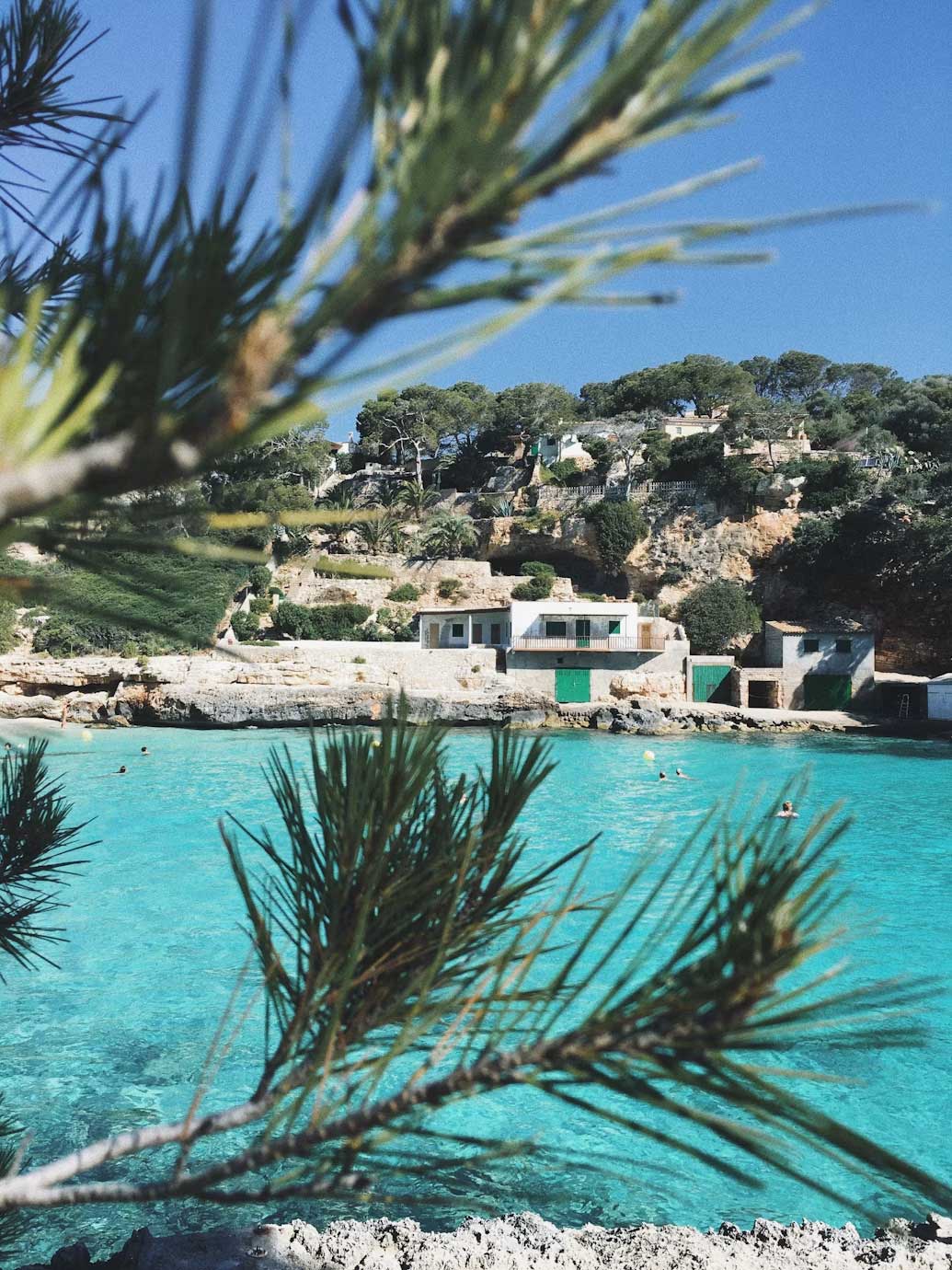
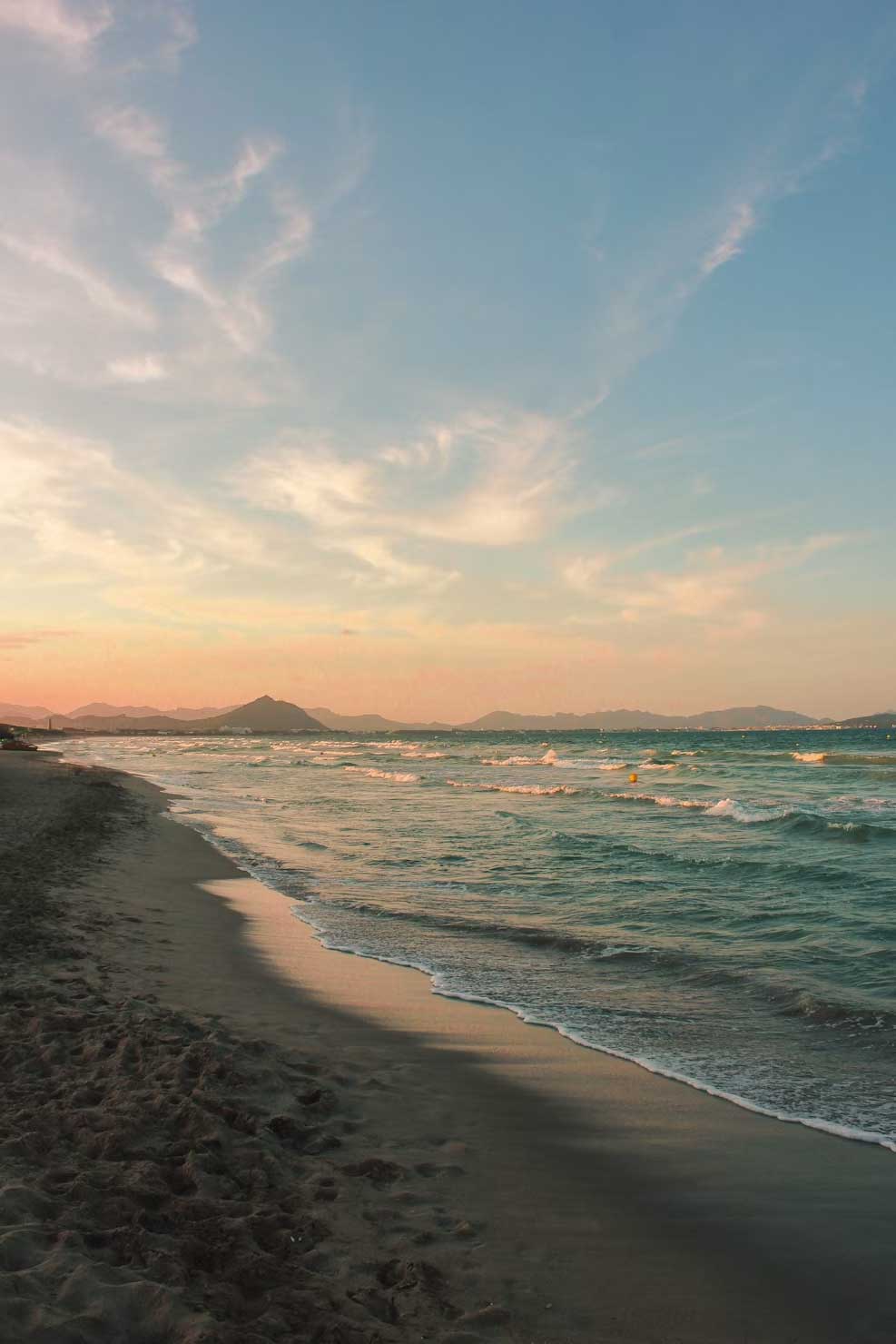
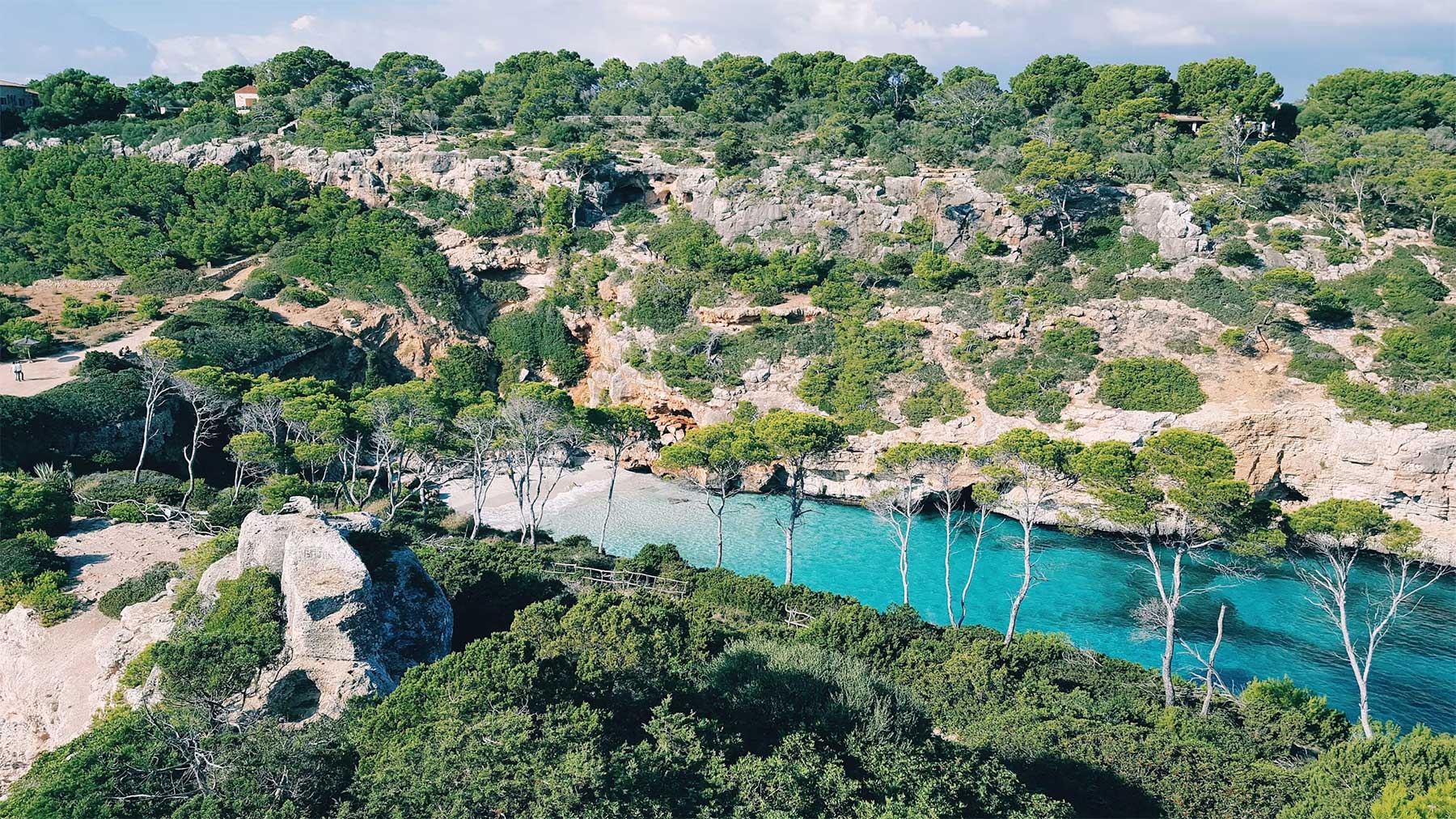
Mallorca offers the most varied sailing in the archipelago. The Serra de Tramuntana drops directly into the sea along the northwest coast, while the south and east provide gentler beaches and wider anchorages.
Port de Sóller is the practical base for the Tramuntana coast. The enclosed harbour provides a safer overnight position than the exposed calas nearby. From there, Cala Deià is an exceptional settled-weather lunch stop. The anchorage is small, rocky and vulnerable to swell, so a large catamaran should remain outside the tightest section and use its tender.
Ca’s Patró March, set above the water, remains the classic shore destination. Come for grilled fish and the cliffside setting rather than theatrical service. It suits a long, informal lunch, but reservations are essential.
Farther southwest, Port d’Andratx provides marina infrastructure before a visit to Sant Elm and the waters around Sa Dragonera. The coastline is rugged and the late light is excellent. It also places the yacht within reach of Mallorca’s western marine reserves.
The strongest wilderness experience lies south of the island. Cabrera Archipelago Maritime-Terrestrial National Park protects 89,478 hectares (221,105 acres) of water. Navigation, mooring and scuba diving are regulated. Cabrera Harbour accommodates a limited number of vessels, and advance authorisation is mandatory. In July and August, overnight stays are restricted to two nights.
The rules are demanding because the experience is rare. After the day boats leave, Cabrera becomes quiet, dark and almost entirely natural. The Blue Cave, entered in suitable conditions, glows with reflected light during the afternoon. For a Privilège owner seeking distance from the usual Mediterranean circuit, Cabrera is Mallorca’s most valuable detour.
The Ibiza Coast Is Best Read by Mood
Ibiza should not be reduced to nightlife. Its western and southern coasts offer some of the finest catamaran anchorages in the Balearic Islands.
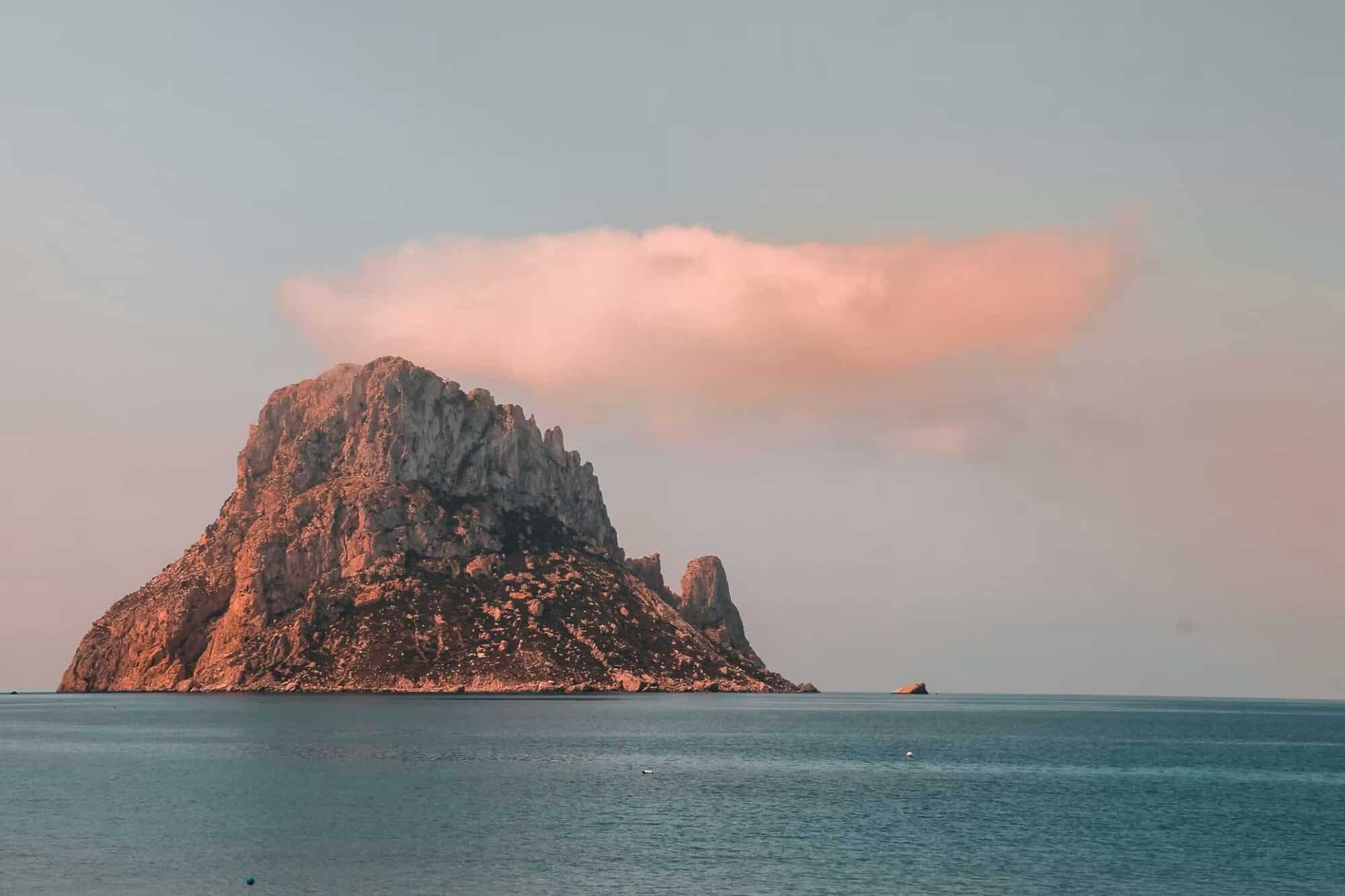
Cala d’Hort is the essential sunset position. Es Vedrà rises 382 metres (1,253 feet) from the sea offshore, creating one of the archipelago’s most recognisable silhouettes. The anchorage can become crowded and exposed, so it is often better to arrive during the afternoon, enjoy the view and relocate before darkness unless conditions are exceptionally settled.
Cala Conta offers a broader western outlook and another strong sunset. Cala Bassa is more sheltered but busier. Cala Porroig provides a quieter alternative, while Cala Jondal is the address for dining and social life.
For a refined seafood lunch, Casa Jondal is the clear choice. Chef Rafael Zafra’s cooking turns a beach restaurant into a serious gastronomic destination. The atmosphere is elegant but conspicuous, and prices match its reputation.
For traditional Ibizan character, Yemanjá offers a more relaxed Cala Jondal experience. For music, spectacle and a high-energy crowd, Blue Marlin remains the obvious option. These places are not interchangeable. Choose the atmosphere before choosing the table.

The Formentera Anchorages Deliver the Clearest Water
The passage from Ibiza to Formentera crosses the Freus marine reserve. The water becomes progressively lighter as the seabed rises around the island.
Ses Illetes is the celebrated stop. The long sandbar produces water of remarkable transparency, but it also attracts large numbers of yachts. Arrive early, use an ecological mooring where required and confirm the seabed visually before deploying an anchor in permitted sand.
Espalmador feels more remote, although summer traffic can remove any illusion of solitude. Cala Saona, on the west coast, is smaller and better suited to a sunset swim. It can become tight for a large catamaran, so good judgement matters more than proximity to the beach.
For a classic long lunch, Juan y Andrea at Ses Illetes combines seafood, paella and an animated barefoot atmosphere. Es Molí de Sal occupies a former salt mill and offers a more composed setting, with views towards both Illetes and La Savina. It is the stronger choice for an elegant lunch that drifts towards sunset.
The best approach is to anchor responsibly, arrive by tender and accept that lunch may last three hours. Formentera should never be rushed.
The Menorcan Calas Reward Owners Who Follow the Weather
Menorca is less polished and more exposed. Its southern coast is defined by pale limestone, pine forests and turquoise calas. Cala Macarella, Macarelleta and Cala Mitjana are the best-known examples.
They are superb swimming stops, but limited space makes early arrival important for a yacht over 15 metres. The rocky margins of Cala Macarella are excellent for snorkelling when visibility is good.
The northern coast is different. Cala Pregonda has reddish rock, clearer exposure to weather and a landscape unlike the southern beaches. The North Menorca Marine Reserve protects waters between Cap Gros and Punta des Morter. It is one of the island’s best areas for snorkelling and guided diving.
Fornells provides a useful refuge when conditions allow entry. The large bay offers access to the north while giving the yacht a more secure base than the open calas.
Menorca requires flexibility. When the tramuntana strengthens, the north coast can become uncomfortable quickly. The southern calas then become the logical alternative. A fixed itinerary is less valuable than the freedom to change coast overnight.
The Underwater Itinerary Belongs in the Cruising Plan
The Balearics contain several protected marine reserves where underwater life is richer than around heavily used beaches.
Mallorca’s Illa del Toro is one of the most established diving areas. Rocky walls, groupers and schools of fish make it a stronger scuba destination than an ordinary coastal reef. Cabrera offers an even more protected environment, although permits and authorised diving arrangements are required.
Formentera’s Freus reserve is well suited to snorkelling in clear, shallow water. Menorca’s northern reserve offers rocky habitats and less urban pressure.
A yacht should not simply arrive and launch divers independently. Local regulations vary by reserve, and professional dive centres understand authorised zones, weather and current conditions. The boat remains the private base. The specialist operator provides local knowledge.
The Experiences Ashore Complete the Voyage
Mallorca’s inland vineyards provide the strongest wine experience. The island has two principal designations of origin: Binissalem and Pla i Llevant. Binissalem includes 13 registered wineries and is associated with local varieties such as Manto Negro and Moll.
Macià Batle, Biniagual and Tianna Negre offer different expressions of Mallorcan wine culture. A private transfer from Palma, Port d’Andratx or Port de Sóller turns the visit into a full day ashore.
On Menorca, the Camí de Cavalls circles the coast for 185 kilometres (115 miles) in 20 official stages. There is no need to walk the entire GR 223. A section near Cala Galdana, Macarella or Cap de Cavalleria is enough to understand the island beyond its beaches.
Formentera is best explored by bicycle or scooter. La Mola lighthouse provides the island’s broadest outlook, while Ibiza’s inland villages reveal a quieter agricultural landscape far removed from the clubs.
The finest sailing holiday in the Balearic Islands is not built from a checklist. It moves between wilderness and civilisation. One day ends alone beneath Cabrera’s dark sky. The next may involve lunch at Cala Jondal or a sunset behind Es Vedrà.
From the deck of a long-range catamaran, that contrast is the true luxury. The yacht does not merely transport its owners between islands. It gives them the ability to choose how each day should feel.