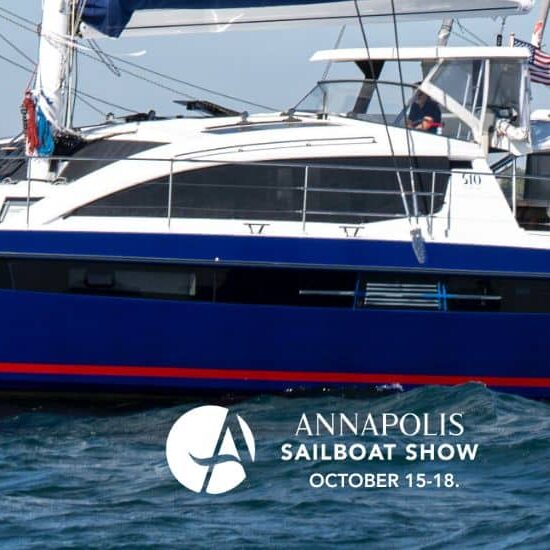
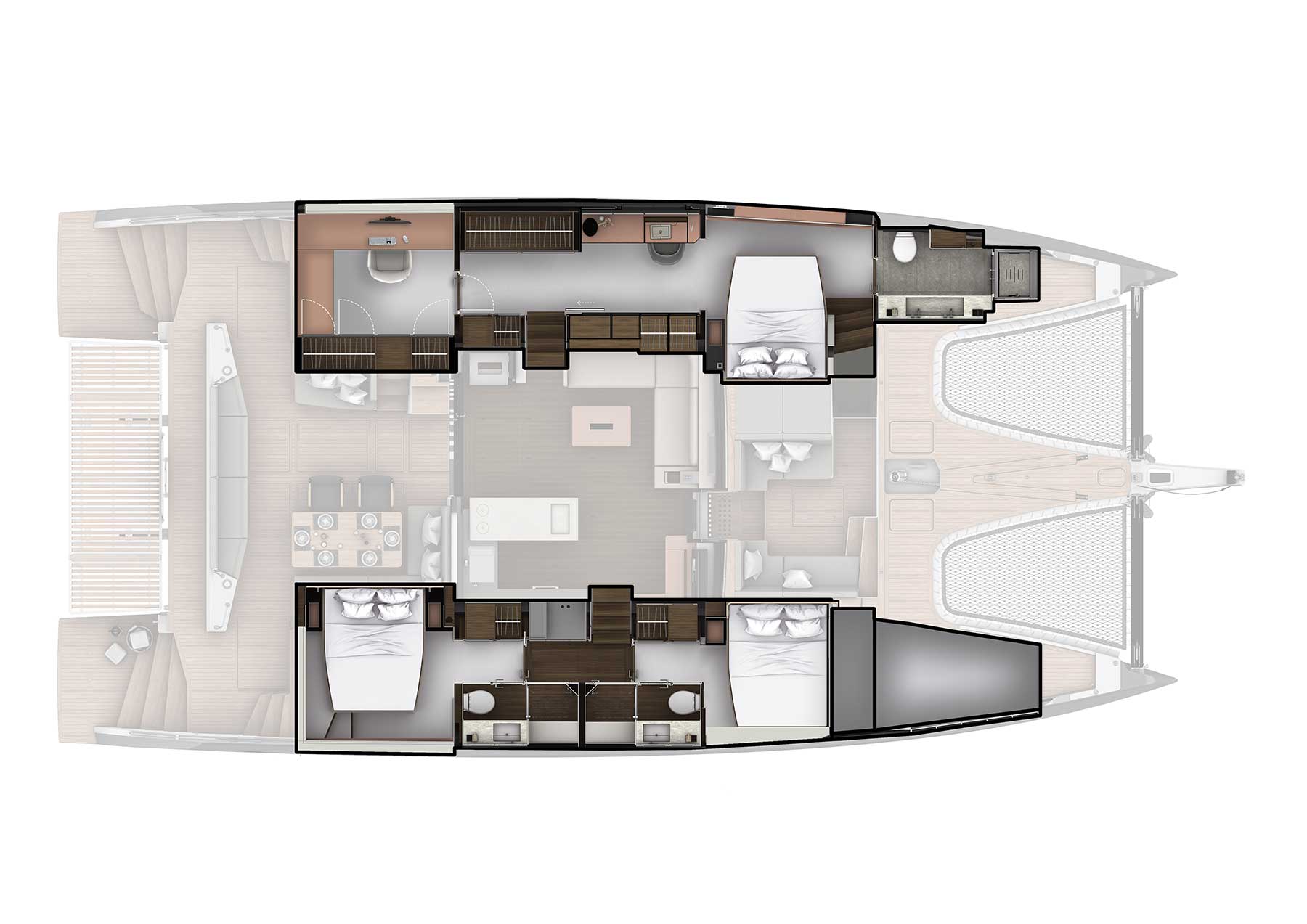
The Privilège Signature 600 transforms its aft portside cabin into a fully customizable room, extending the idea of a true home at sea.
The Privilège Signature 600 marks a precise evolution in the way a luxury bluewater catamaran can be designed around its owner. Built as the natural successor to the Signature 580, it keeps the proven offshore platform, the 18.28-metre length (60 ft), the 9.18-metre beam (30 ft 11 in) and the owner-focused DNA that define Privilège Marine. Its most distinctive innovation is the aft portside cabin, which becomes a fully customizable room rather than a fixed guest cabin. It can be designed as a private cinema, gym, office, storage room, artist’s studio or walk-in wardrobe. Combined with the full owner’s hull concept, this flexible space pushes the yacht closer to the idea of a house at sea. The result is not decorative personalization. It is a deeper way to shape life on board.
The Signature 600 reflects a more mature idea of personalization
The new Privilège Signature 600 is not a radical break from the Privilège philosophy. It is a more refined expression of it. The model builds on the Signature 580, one of the shipyard’s important bluewater catamarans, and develops the concept further with a calmer interior language, more architectural continuity and a stronger sense of private ownership.
At Privilège Marine, personalization has never meant choosing only fabrics, veneers or decorative details. It means designing a yacht around the way its owner lives. This difference matters. Many yachts offer options. A true bespoke catamaran asks a deeper question: how will the owner use the yacht at anchor, at sea, with family, with guests, during long passages, during work, and during months away from land?
The Signature 600 answers that question with a specific architectural choice. The aft portside guest cabin becomes a flexible, open-ended room. It is no longer treated only as a sleeping space. It becomes a blank page.
That choice changes the conversation between shipyard and owner. The yacht is no longer only arranged around a standard accommodation plan. It becomes a more personal environment, where one area can be assigned to a passion, a routine, a professional use or a practical need. This is a significant development in the 60-foot catamaran segment, where many interiors still follow predictable patterns.
The aft portside cabin becomes a room with a purpose
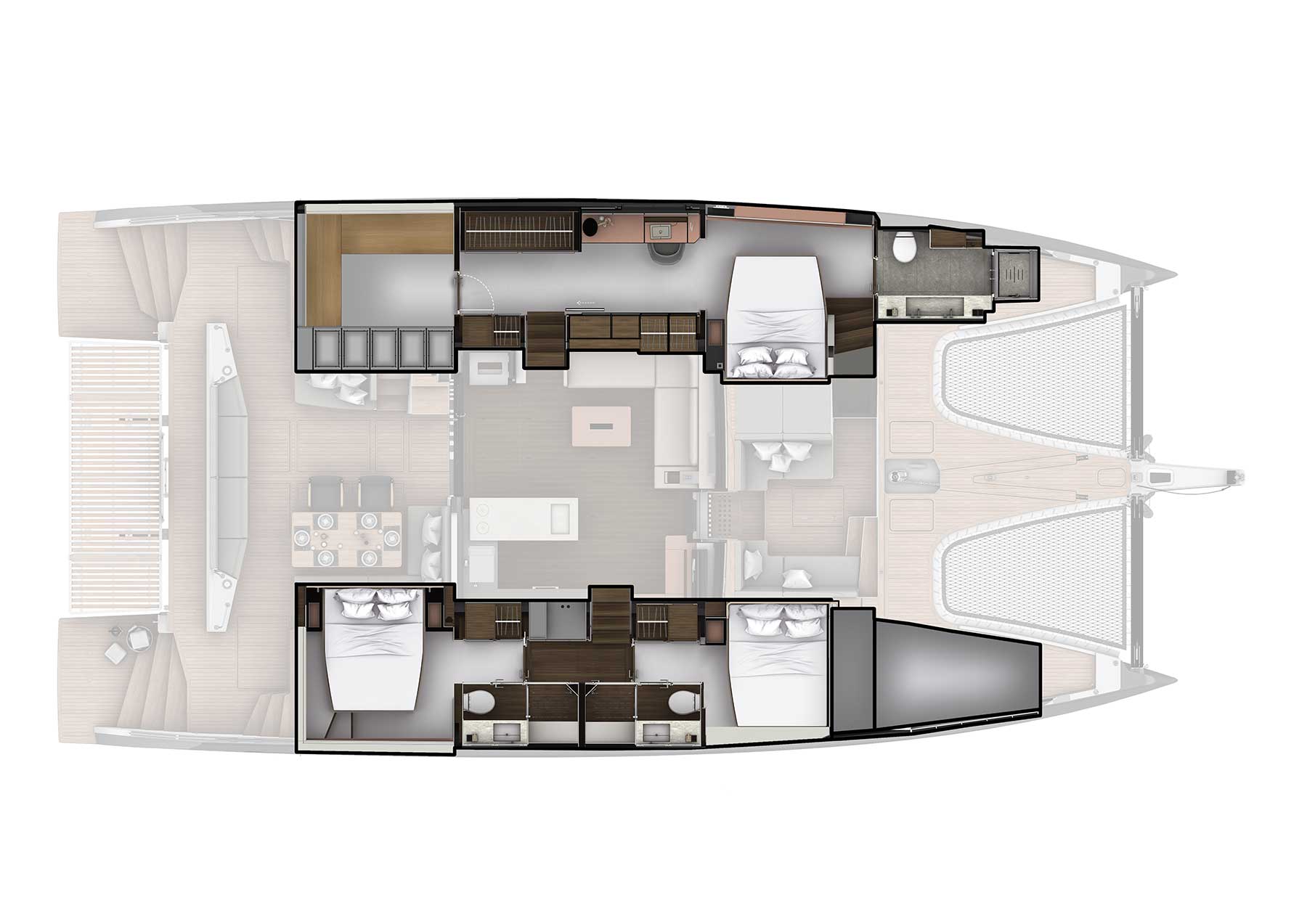
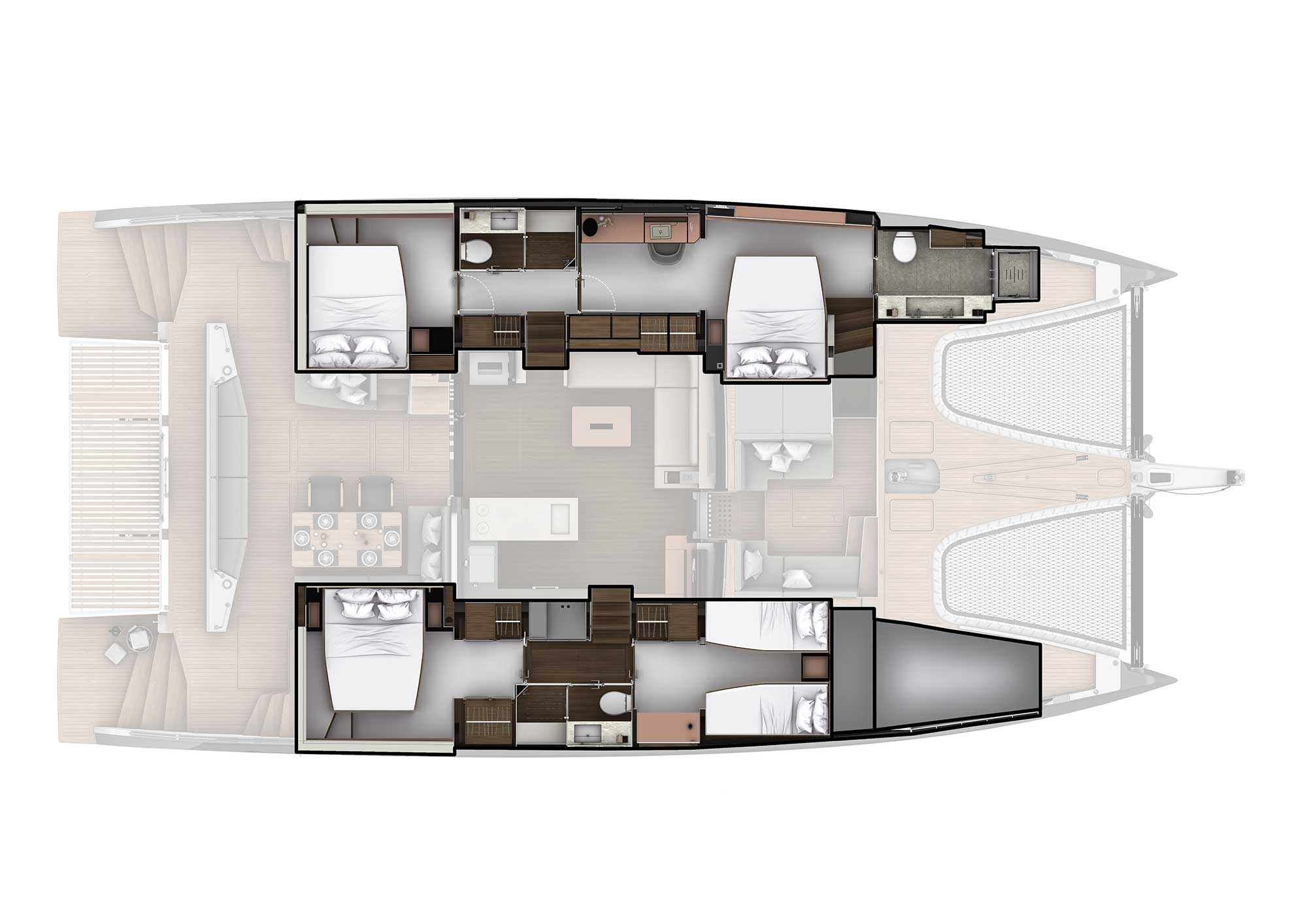
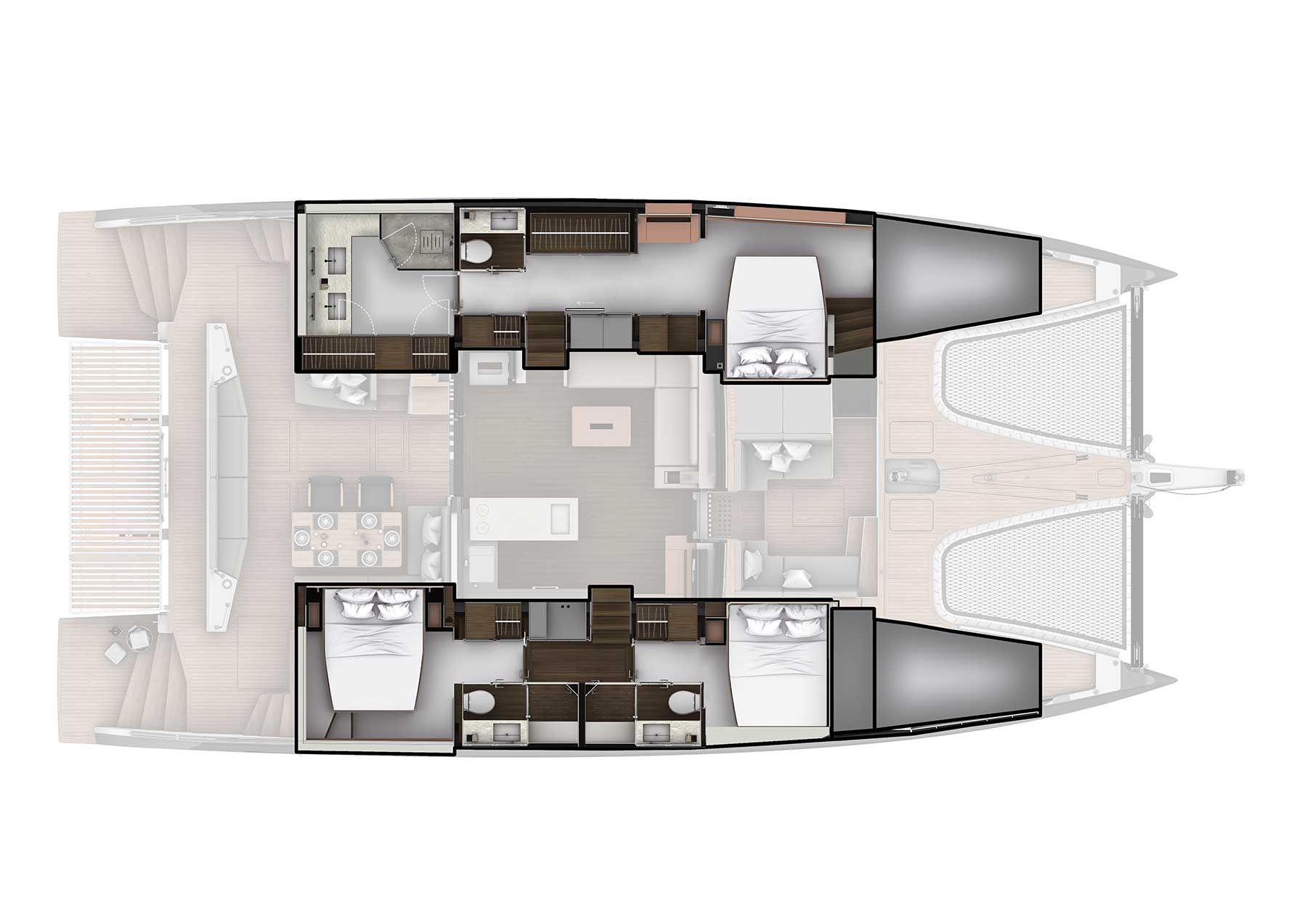
The aft portside cabin on the Signature 600 is the centre of this evolution. It can remain a guest cabin if the owner wants maximum accommodation. It can also become something far more personal.
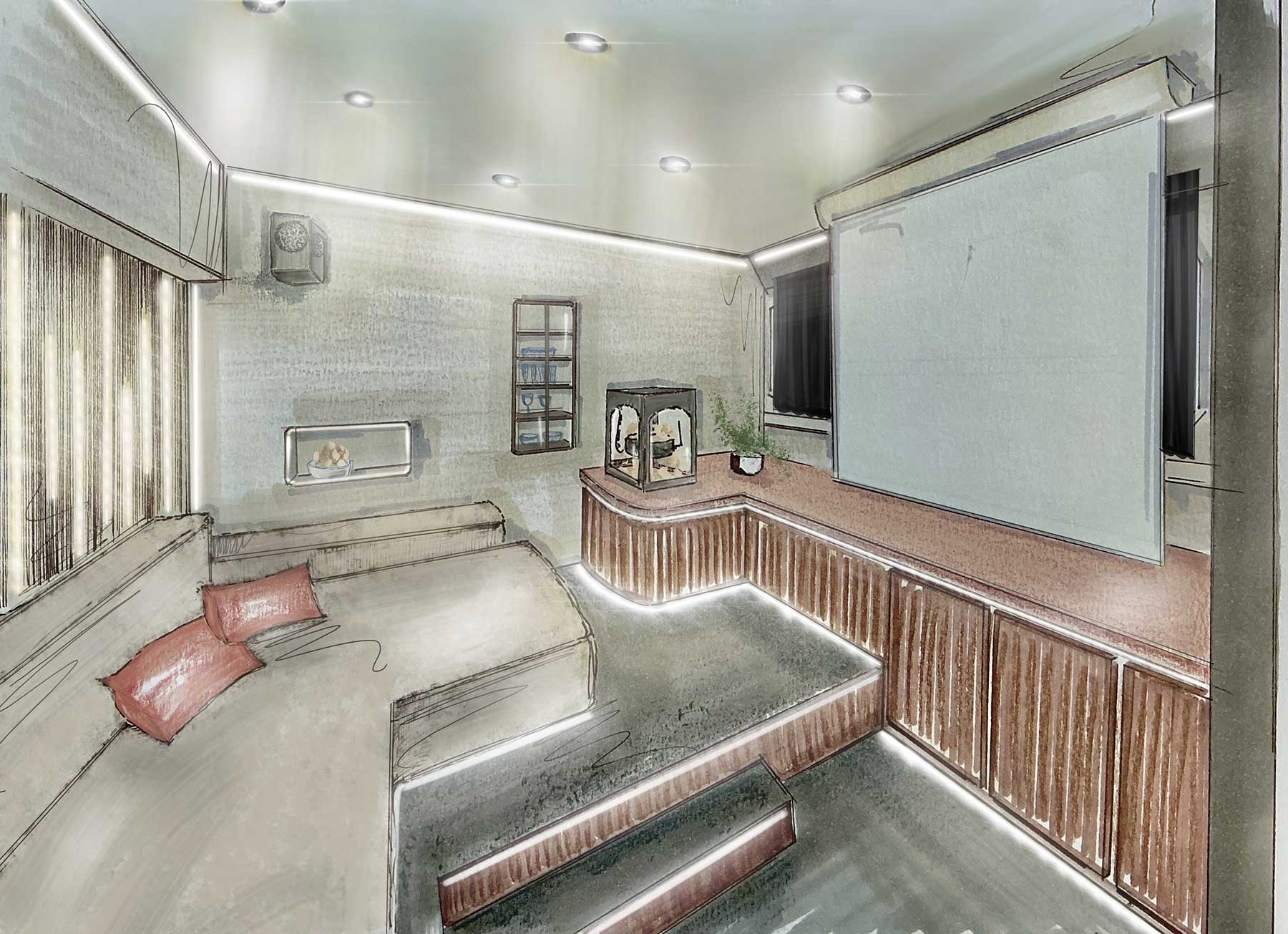
A private home cinema is one possible direction. It gives the owner a quiet, enclosed space for films, sport, family evenings or music, away from the main saloon. At anchor, this creates a different rhythm on board. The yacht gains a retreat that does not compete with the cockpit, flybridge or dining area.
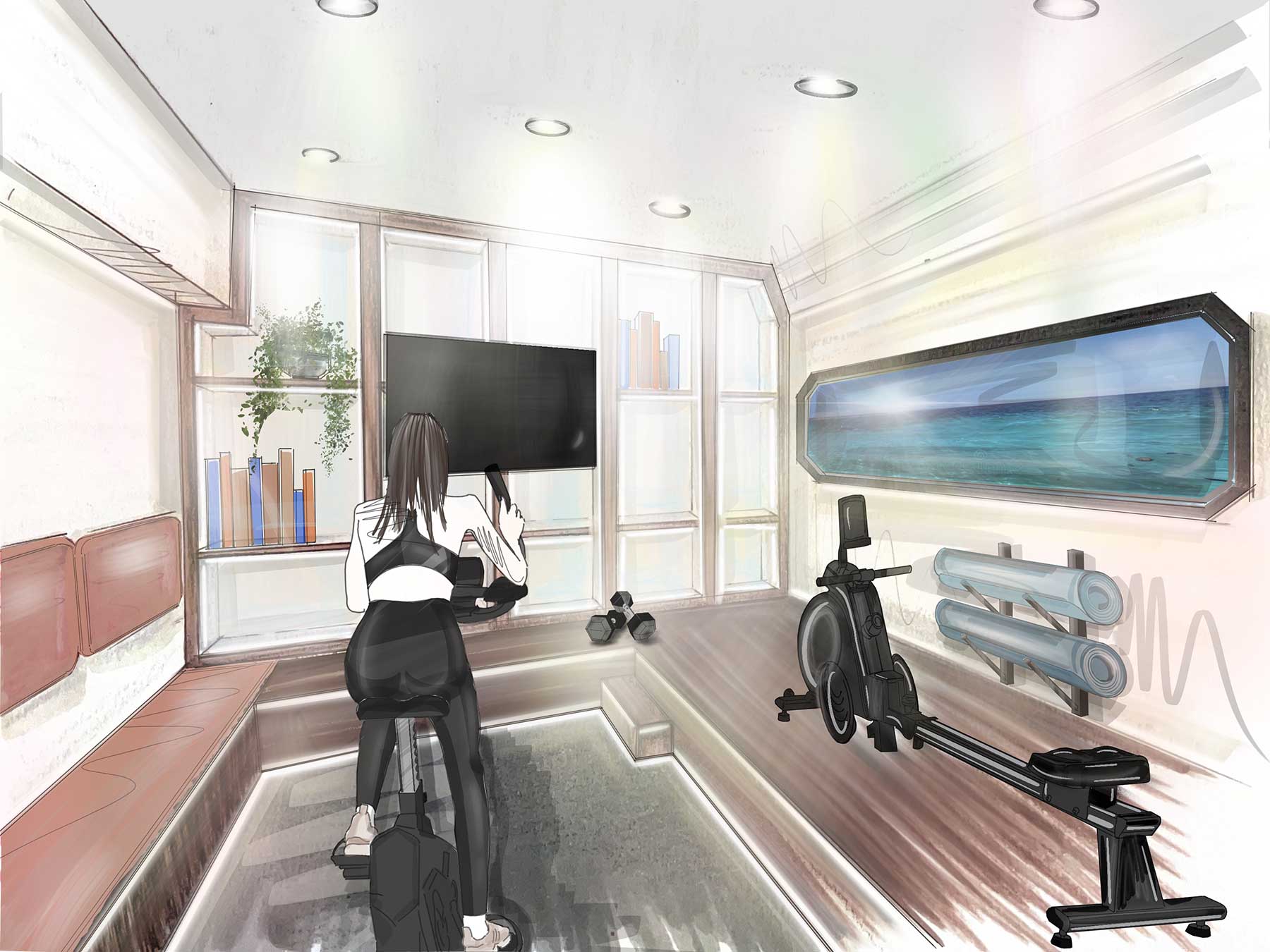
A gym is another practical option. Long-distance cruising often changes daily routines. Owners who spend months on board need ways to maintain strength, mobility and balance. A dedicated fitness room can include compact equipment, resistance systems, yoga mats, ventilation and secure storage. On a catamaran designed for extended cruising, health is not a luxury detail. It becomes part of endurance.
A dedicated office is also increasingly relevant. Many owners now expect to work from the yacht. Satellite communications, remote management, video calls and digital business have changed how people use private yachts. A proper office needs more than a desk. It needs sound control, storage, charging points, lighting, seating comfort and privacy. The Signature 600 can turn this area into a serious workspace, not a temporary corner of the saloon.
For long-distance cruising, additional storage can be equally valuable. A yacht that crosses oceans needs spare parts, tools, safety equipment, food stores, dive equipment, technical supplies and personal belongings. The difference between a beautiful yacht and a practical offshore home often appears in storage discipline. A dedicated storage room can make life at sea calmer and safer.
The same space can become an artist’s studio, a dressing room, a children’s learning room, a hobby room or an expansive walk-in wardrobe. The point is not to multiply ideas for their own sake. The point is to give the owner a useful room with a defined role.
The full owner’s hull changes the hierarchy on board
The Signature 600 also pushes forward the idea of the full owner’s hull. In a conventional layout, guest accommodation often dominates the design logic. Cabins are multiplied. Berths are counted. The yacht is judged by how many people it can sleep.
Privilège Marine takes a different view. A yacht designed for an owner should first serve the owner’s life on board. Guest comfort remains important, but it should not dilute the private experience.
The owner’s hull concept creates a stronger personal territory. It gives the owner a more generous and coherent suite, with privacy, storage, circulation and daily comfort. On a 60-foot bluewater catamaran, this matters because the yacht is large enough to be lived in for long periods, yet still compact enough to remain personal and manageable.
The aft portside customizable room reinforces this logic. It gives the owner another way to shape the private side of the yacht. A guest cabin is useful for some owners. A personal cinema, gym, office or wardrobe may be far more valuable for others. This is the key point. The best layout is the one that fits the real owner, not an imaginary market average.
This approach is frank. A yacht should not pretend to be all things to all people. It should be designed around the people who will actually live aboard.
The house at sea concept becomes more concrete
The phrase “house at sea” is often used too easily in yachting. Many interiors look residential at boat shows. That does not mean they function as homes during real cruising.
A house at sea must support daily life. It must offer private areas, shared areas, storage, light, ventilation, movement, quietness and practical routines. It must work at anchor and underway. It must remain comfortable during a passage, not only during a marina visit. It must let people read, sleep, cook, work, train, rest and receive guests without turning every activity into compromise.
The Signature 600 moves this concept forward because the customizable aft portside cabin gives the yacht a room that would normally exist in a house. It may be a media room, a dressing room, a studio or an office. These are not typical yacht categories. They are domestic categories. They belong to the language of private homes.
This is important for owners who spend long periods on board. A yacht used for weekends needs beds and bathrooms. A yacht used as a floating residence needs a richer spatial logic. It needs places for different parts of life.
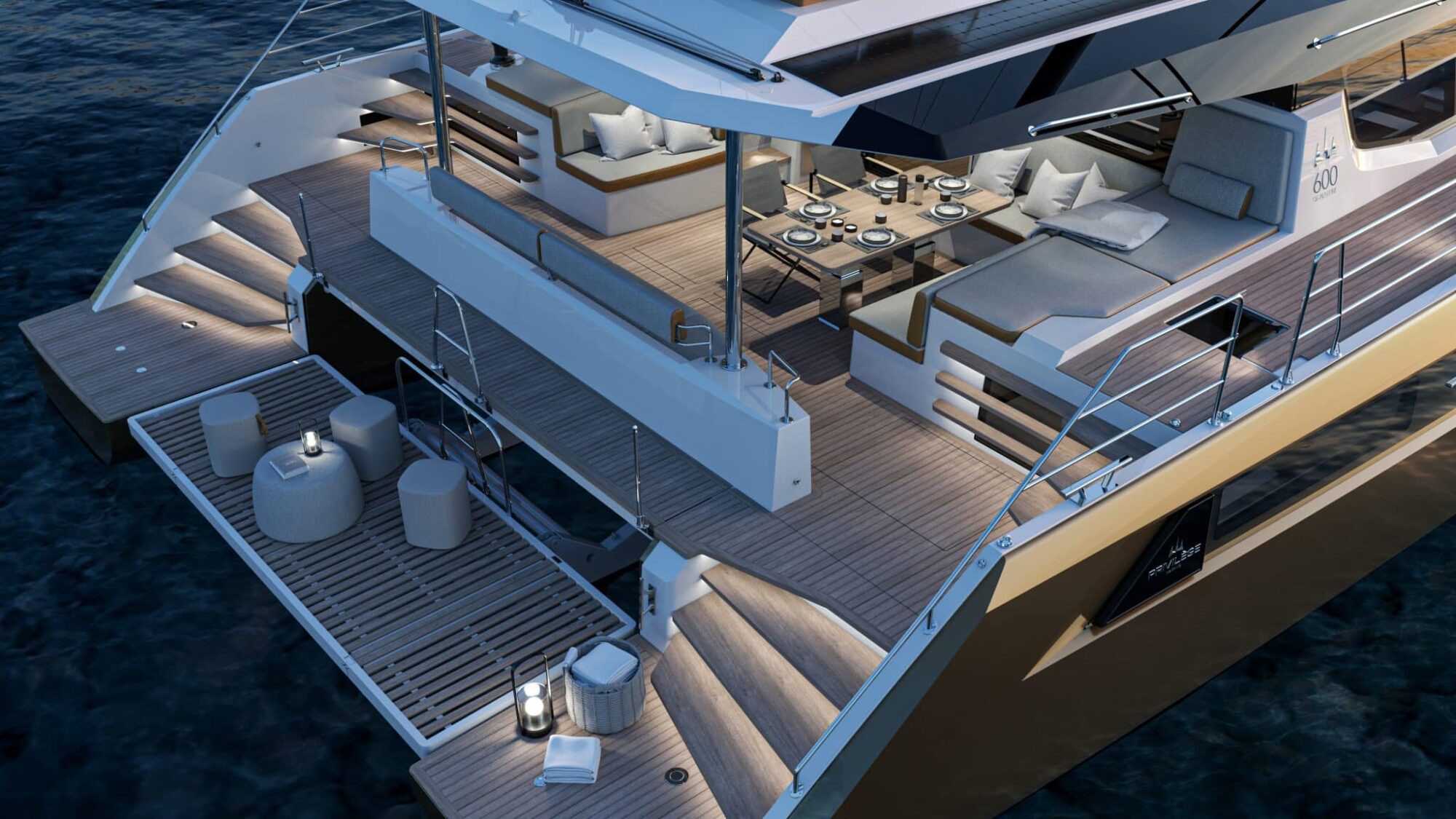
The Signature 600 remains a sailing catamaran. Its 259 square metres of total sail area (2,787 sq ft), including a 121-square-metre mainsail (1,302 sq ft), a 92-square-metre genoa (990 sq ft) and a 46-square-metre staysail (495 sq ft), confirm that this is still a yacht built for passage-making. Yet the interior evolution shows that offshore capability and residential comfort can be developed together.
The technical platform keeps the customization serious
Personalization has value only when the technical platform can support it. A customizable room on a weak or confused yacht is a marketing gesture. On the Signature 600, the concept rests on a proven bluewater base.
The yacht has an overall length of 18.28 metres (60 ft), a beam of 9.18 metres (30 ft 11 in) and a draft of 1.85 metres (6.07 ft). Empty displacement is listed at 29 tonnes (63,934 lb), rising to 35 tonnes (77,162 lb) at full load. The fuel capacity is 2 x 485 litres (256 gal), and freshwater capacity is 2 x 450 litres (237 gal). The model is designed with 4 to 5 cabins and carries CE A-12 certification.
These numbers matter because the Signature 600 is not only an interior project. It is a long-distance cruising catamaran. The custom room must be integrated into the yacht’s balance, weight distribution, systems, ventilation, electrical load, safety plan and maintenance access.
A cinema may require screen placement, acoustic treatment, power management and sound isolation. A gym needs secure equipment, non-slip flooring and ventilation. An office needs lighting, connectivity, power outlets and privacy. Storage needs weight discipline and safe access. A walk-in wardrobe needs humidity control, materials that tolerate marine life and practical organisation.
A true customized yacht layout cannot be improvised late in the process. It must be planned with design, engineering and use in mind. This is where a shipyard with a hands-on, artisanal culture has an advantage. The owner’s idea can be translated into a working room rather than a decorative concept.
The design language supports calm rather than spectacle
The Signature 600 was developed in continuity with Cabinet Marc Lombard and Darnet Design. This matters because the boat’s evolution is not only technical. It is also architectural.
The interior approach focuses on softened lines, harmonized materials, indirect light and a greater sense of continuity between spaces. The goal is not visual drama for a first impression. It is a calmer onboard atmosphere for long-term living.
This is an important distinction. Many yacht interiors are designed to impress quickly. Long-distance owners need something different. They need spaces that remain pleasant after weeks on board. They need light that is comfortable. They need surfaces that do not feel aggressive. They need circulation that does not interrupt life. They need storage that disappears into the design.
The aft portside custom room benefits from this wider language. Whether it becomes a cinema, office, gym or wardrobe, it can be integrated into the yacht’s overall atmosphere. It does not need to feel like an added module. It can feel like part of the home.
This is where personalization becomes subtle. The room may be highly specific, but it should still belong to the boat.
The owner’s lifestyle becomes the design brief
The most serious design question is simple: what does the owner actually do on board?
Some owners sail as a couple and receive guests occasionally. Others travel with children. Some want to cross the Atlantic. Others want to move between the Mediterranean and the Caribbean. Some need privacy for remote work. Some want a yacht that can host family for several weeks. Some want to live aboard for extended periods and need storage, wardrobe space and personal routines.
The Signature 600 allows the shipyard to turn these answers into architecture. A remote-working owner may choose a calm office with professional lighting, charging stations, sound insulation and dedicated communications equipment. A family may prefer a media room for children and guests. A sport-focused owner may choose a gym. A long-distance cruising owner may prioritise stores and technical organisation. An owner who treats the yacht as a true residence may want a wardrobe large enough to support changing climates and longer seasons.
This is why the aft portside cabin is more than a design feature. It is a planning tool. It forces a useful conversation before the yacht is built. It asks the owner to define priorities.
That conversation creates a better yacht. It also reduces disappointment later. A standard layout may look efficient on paper and still fail the owner’s life. A tailored layout begins with life and then shapes the yacht around it.
The Privilège philosophy is visible in one room
The Signature 600’s customizable aft portside cabin may appear to be one interior detail. In reality, it expresses the wider Privilège Marine philosophy.
Each Privilège is conceived around its owner. The shipyard’s work combines French craftsmanship, offshore safety, comfort, reliability and performance. The yachts are built in Les Sables d’Olonne, a place shaped by ocean sailing culture and long-distance passage-making. The Signature 600 belongs to that world. It is designed for owners who want a private yacht with real range, not a floating showroom.
The customizable room makes this philosophy visible. It shows that personalization can be structural in the owner experience. It can influence daily habits, privacy, storage, work, leisure and wellbeing. It can change how the yacht feels after a month at sea or at anchor.
This is the difference between decoration and design. Decoration changes the look. Design changes the use.
The new luxury is the freedom to define the yacht
The Privilège Signature 600 enters a market where volume, lifestyle imagery and charter-oriented layouts often dominate the discussion. Its response is more specific. It offers a 60-foot luxury catamaran that remains rooted in offshore sailing while giving the owner a more meaningful role in the design of life aboard.
The aft portside cabin is the clearest example. It gives up the comfort of a predetermined answer and replaces it with a better question: what should this yacht make possible for its owner?
That question is at the heart of Privilège Marine. A yacht built for long-distance cruising should not force every owner into the same pattern. It should provide strength, safety, comfort and coherence, then leave room for personal vision.
The Signature 600 does exactly that. It keeps the ocean-capable platform. It enhances the sense of space. It protects the owner’s private world. It turns one cabin into a room with meaning. In doing so, it brings the idea of a house at sea closer to reality.
The result is a yacht that does not simply accommodate an owner. It understands that the owner’s way of living is the real starting point.