Close
Lang selector black
Lang selector
Lang selector

Category: Systems & Gear

  • How to Calculate Power Consumption on a Sailing Boat

    How to Calculate Power Consumption on a Sailing Boat

    A practical method to calculate daily amp-hours, size batteries and solar, and build a Privilège catamaran around the owner’s real life at sea.

    Calculating power consumption on a sailing boat starts with a simple rule: electrical autonomy must be measured in energy, not merely in amps. Every refrigerator, autopilot, watermaker, communication system and air-conditioning unit has a power rating and an operating time. Multiply the two, correct for duty cycle and conversion losses, and the yacht’s daily energy requirement emerges.

    A refrigerator may draw 3 to 9 amps while its compressor is running, yet consume far less over 24 hours because it cycles on and off. Air conditioning is different. A single marine unit can consume more energy overnight than the refrigerator, navigation electronics and lighting combined.

    For Privilège Marine, the opportunity lies in designing the entire energy architecture around the owner. The Signature 510, 580, 600 and 650 do not need identical batteries, solar arrays or generators. A couple crossing oceans, a family working remotely and an owner expecting silent tropical air conditioning require fundamentally different yachts.

    The Amp-Hour Figure Is Useful but Often Misleading

    Owners frequently ask how to calculate power consumption on a sailing boat. The calculation itself is straightforward. The difficulty lies in using the correct units.

    An amp is a measure of electrical current. It does not describe total energy consumption unless voltage and time are also known. Ten amps at 12 volts represents 120 watts. Ten amps at 24 volts represents 240 watts. The current is identical, but the power has doubled.

    The basic formula is:

    power equals voltage multiplied by current

    A 24-volt pump drawing 5 amps therefore consumes 120 watts.

    Energy adds time to the calculation:

    daily energy equals power multiplied by time

    If that pump operates for two hours, it consumes 240 watt-hours, or 0.24 kilowatt-hours.

    This is why Use watt-hours, not amps alone is the safest rule for a catamaran energy audit. Watt-hours allow an owner to compare a 24-volt refrigerator, a 230-volt induction hob and a 48-volt battery system without confusing current with energy.

    Daily amp hours cruising remain useful, but only after the system voltage has been defined. A yacht consuming 12 kilowatt-hours a day requires about 500 amp-hours at 24 volts. The same energy represents 250 amp-hours at 48 volts.

    The yacht has not become twice as efficient. Its electrical architecture simply operates at a higher voltage.

    The Energy Audit Must Separate Rating From Real Consumption

    Every appliance should be entered into an energy audit with four values:

    • Its rated power
    • Its operating time
    • Its duty cycle
    • Its electrical supply, whether direct current or alternating current

    A 100-watt appliance running continuously consumes 2.4 kilowatt-hours per day. A 100-watt compressor operating 40 per cent of the time consumes 0.96 kilowatt-hours.

    The distinction is essential. Refrigerators, freezers, water pumps and air-conditioning compressors cycle. Navigation lights and communication equipment may run continuously. Induction hobs and hairdryers draw substantial power, but only for short periods.

    A proper boat power consumption calculator should therefore use the following equation:

    Daily consumption equals rated watts multiplied by operating hours multiplied by duty cycle.

    Alternating-current appliances introduce another correction. Energy taken from the batteries passes through an inverter. If an appliance requires 1,000 watts and the inverter operates at 90 per cent efficiency, the batteries must supply roughly 1,111 watts.

    Those inverter losses become significant on yachts with electric cooking, domestic appliances and extensive entertainment systems.

    Standby consumption also matters. An inverter, network switch, television, charger or satellite terminal may appear insignificant on its own. Ten devices averaging only 10 watts each create a permanent 100-watt load. Over 24 hours, that is another 2.4 kilowatt-hours.

    Small loads become large when they never stop.

    The Refrigerator Draws Amps Only When the Compressor Runs

    The question “how many amps does a fridge use on a boat?” has no single answer.

    Modern marine refrigerators commonly use variable-speed direct-current compressors. Secop’s BD35F and BD50F families, widely used in mobile refrigeration, show maximum-speed power inputs ranging broadly from about 35 to 104 watts, depending on compressor model, refrigerant and operating temperature.

    At 12 volts, that represents approximately 3 to 9 amps while the compressor is running. At 24 volts, it represents roughly 1.5 to 4.5 amps.

    The daily result depends on insulation, ventilation, ambient temperature, door openings, thermostat setting and the quantity of warm food placed inside.

    Consider a 70-watt compressor running 40 per cent of the day. It consumes:

    70 watts multiplied by 24 hours multiplied by 0.40, or 672 watt-hours per day.

    That equals 56 amp-hours at 12 volts or 28 amp-hours at 24 volts.

    If tropical heat, poor ventilation or frequent use pushes the duty cycle to 60 per cent, consumption rises to just over 1 kilowatt-hour. The same refrigerator now needs about 84 amp-hours at 12 volts.

    A large cruising catamaran may carry a refrigerator, freezer, cockpit drinks fridge, wine cabinet and ice maker. Refrigeration can then require between 2 and 5 kilowatt-hours per day.

    The equipment choice matters. So does installation. Indel Webasto Marine states that efficient compressor ventilation is central to performance. Its Smart Energy Control can reduce consumption substantially by adapting compressor speed and using the thermal mass of food and drinks.

    A premium refrigerator fitted in a badly ventilated cabinet is not an efficient system. It is simply an expensive appliance working too hard.

    The Air-Conditioning System Changes the Entire Calculation

    Refrigeration attracts attention because it operates continuously. In reality, The air-conditioning load dominates most luxury-catamaran energy budgets.

    A Dometic MCS T16 marine unit provides approximately 4.69 kilowatts of cooling capacity (16,000 BTU per hour) while consuming about 1.32 kilowatts in cooling mode.

    If one unit runs for eight hours at a 50 per cent duty cycle, it consumes roughly 5.3 kilowatt-hours. Two equivalent zones consume more than 10 kilowatt-hours.

    That is before refrigeration, cooking, navigation, communications, water production or battery losses are considered.

    Whole-yacht air conditioning on a large catamaran can therefore add 20 to 40 kilowatt-hours to the daily audit in hot and humid conditions. Large windows, open doors, inadequate shading and low thermostat settings increase the load further.

    This is where simplistic battery calculations fail. A 20-kilowatt-hour lithium bank may support normal domestic life comfortably. It will not provide unlimited silent air conditioning throughout a tropical night while preserving a responsible reserve.

    The solution is not automatically a larger generator. Better insulation, zoned cooling, variable-speed equipment, external shading and intelligent operating schedules can reduce demand before more generation is added.

    Cooling the owner’s suite at night is one requirement. Maintaining hotel temperatures in every cabin, saloon and circulation area is another.

    The owner must decide which experience is expected.
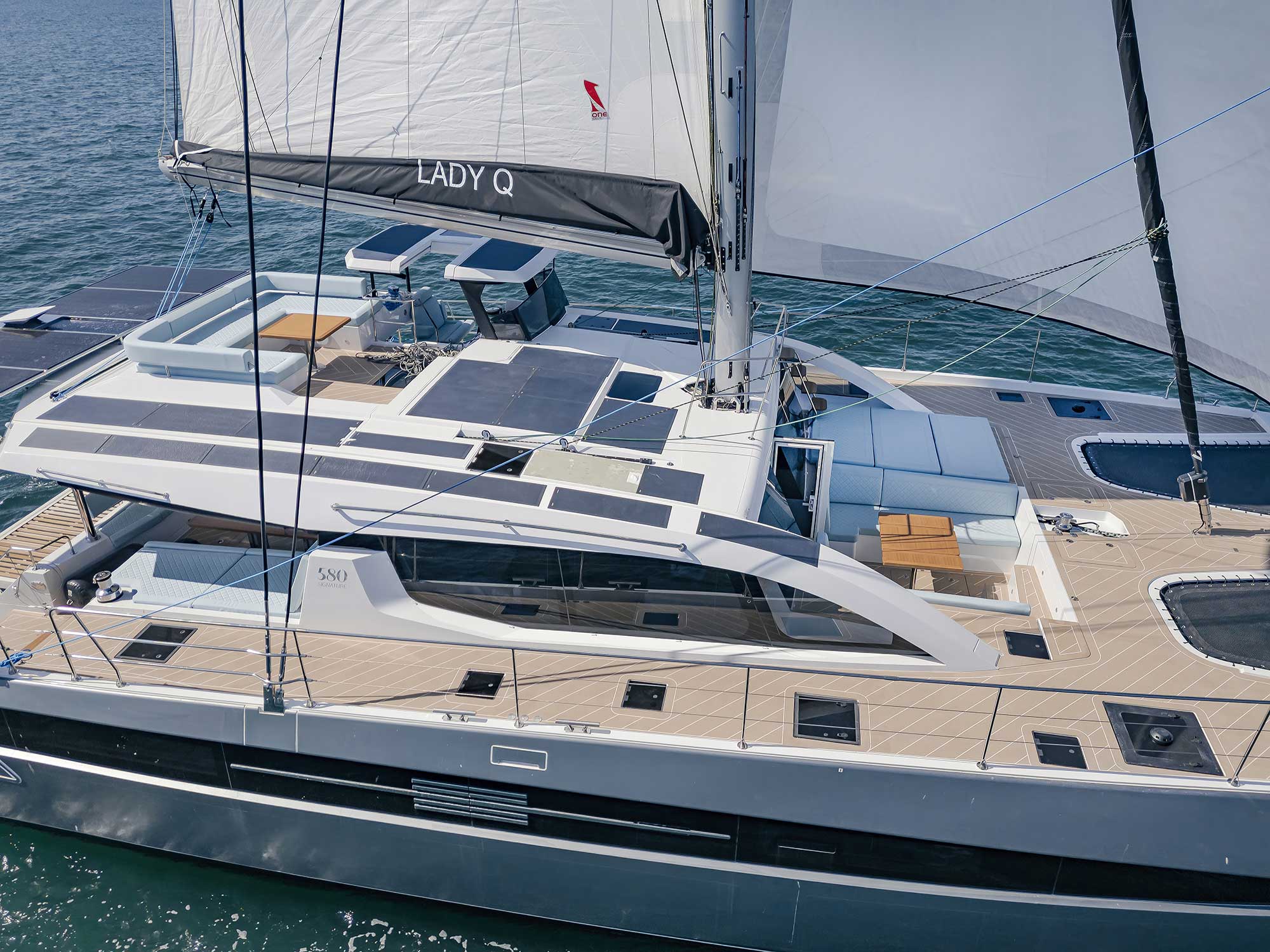
    Power consumption

    The Watermaker and Communications Loads Are More Predictable

    Water production is easier to calculate because consumption can be expressed per litre.

    Schenker states that its energy-recovery watermakers typically require about 4 watt-hours per litre of fresh water. Its Modular 100 produces 100 litres per hour while consuming 400 watts.

    Producing 200 litres therefore requires about 0.8 kilowatt-hours. At 24 volts, that is roughly 33 amp-hours before minor system losses.

    The watermaker is rarely the largest onboard consumer. It becomes inefficient when the system is oversized, poorly maintained or operated in short cycles that require repeated flushing.

    Communications can consume more.

    Starlink Standard equipment typically averages about 75 to 100 watts. Used continuously, it may consume 1.8 to 2.4 kilowatt-hours per day. At 24 volts, that represents approximately 75 to 100 amp-hours.

    Starlink Mini typically draws considerably less. For an owner who needs email, weather files and occasional video calls rather than permanent high-capacity connectivity, the difference can save more energy than replacing every light on the yacht.

    This is an example of why An audit must model behaviour rather than simply catalogue equipment.

    The Passage Profile Is Different From Life at Anchor

    A catamaran energy audit should contain at least three operating scenarios.

    The first is the marina profile. Shore power is available, batteries remain charged and high-power appliances can operate without meaningful autonomy constraints.

    The second is the anchor profile. Refrigeration, water production, cooking, communications, lighting and domestic pumps dominate.

    The third is the passage profile. The autopilot, instruments, radar, navigation displays, navigation lights and communications may operate for 24 hours.

    Autopilot consumption is particularly difficult to estimate. Raymarine’s ACU-200 can provide up to 15 amps continuously to a drive unit, but maximum output is not average consumption. Calm conditions with balanced sails require little steering effort. Quartering seas and poor sail trim can make the drive work repeatedly.

    A realistic passage audit must therefore include sea-state assumptions. It should also treat navigation, bilge pumps, emergency communications and essential lighting as protected loads.

    Domestic comfort must never be allowed to exhaust the reserve needed for steering and safety.

    The Privilège Range Requires Several Different Energy Strategies

    Privilège Marine’s published range extends from the Signature 510 to the Signature 650. The Signature 600 is the natural evolution of the Signature 580.

    The Signature 510 measures 17.09 metres (56 feet). The Signature 580 and Signature 600 measure around 19.10 metres and 18.28 metres respectively (62 feet 8 inches and 60 feet). The Signature 650 has a published hull length of 19.60 metres (64 feet 3 inches), with an overall dimension reaching 21.25 metres (approximately 70 feet).

    Size alone does not determine consumption. Cabin configuration, crew numbers and lifestyle matter more. Nevertheless, larger yachts generally carry more refrigeration, lighting, pumps, electronics and climate-control zones.

    The following figures are indicative engineering envelopes. They are not published standard Privilège specifications. Each yacht must be audited against its final equipment list and owner programme.

    Privilège modelAt anchor without overnight air conditioningOn passageTropical comfort with zoned air conditioning
    Signature 5108 to 12 kWh per day11 to 16 kWh per day20 to 35 kWh per day
    Signature 58012 to 17 kWh per day15 to 21 kWh per day28 to 45 kWh per day
    Signature 60013 to 19 kWh per day16 to 23 kWh per day30 to 50 kWh per day
    Signature 65016 to 24 kWh per day20 to 28 kWh per day40 to 65 kWh per day

    The Signature 510 may be configured for a couple undertaking long-distance cruising. Its strongest energy strategy may prioritise low continuous consumption, direct-current refrigeration, efficient water production and enough solar generation to cover normal days at anchor.

    The Signature 580 may support more guests, larger domestic systems and separate crew functions. Its audit should examine simultaneous loads, not merely daily totals. Running an induction hob, watermaker, washing machine and battery charger together may exceed inverter capacity even when the daily energy budget appears acceptable.

    The Signature 600 creates a further variable. Its aft portside cabin can become an office, cinema, gym, studio or storage area. An office adds communications and computer loads. A cinema adds audiovisual equipment. A gym may introduce ventilation or powered machinery. Storage adds almost nothing.

    The owner’s choice can change the energy architecture before a single battery is ordered.

    The Signature 650 may operate closer to a small superyacht. Multiple refrigeration units, crew accommodation, extensive air conditioning and larger entertainment systems can justify a higher-voltage domestic network, substantial lithium storage and carefully coordinated generators, alternators and solar arrays.

    The Battery Bank Must Be Sized Around Usable Energy

    Battery labels show nominal capacity. Owners live with usable battery capacity.

    A 25-kilowatt-hour battery bank should not be treated as 25 kilowatt-hours of unrestricted daily energy. A reserve is required for safety, battery longevity, unexpected weather and reduced charging.

    A sensible design might use 70 to 80 per cent of nominal capacity for normal operation, depending on battery chemistry, manufacturer limits and the desired service life.

    A yacht needing 12 kilowatt-hours between charging opportunities may therefore require 16 to 20 kilowatt-hours of nominal storage. A yacht requiring 25 kilowatt-hours overnight may need 35 kilowatt-hours or more.

    Battery sizing should also consider peak power. A bank may hold enough energy for the day but still be unable to supply several air-conditioning compressors, an induction hob and a washing machine simultaneously.

    Voltage matters here. Moving major hotel loads to 48 volts reduces current and cable size for the same power. Critical navigation equipment can remain on protected 12-volt or 24-volt circuits through properly engineered conversion and redundancy.

    The architecture must comply with the relevant marine electrical standards, including ISO 13297 and, where appropriate, ABYC requirements for electrical systems and lithium-ion batteries.

    The Solar Array Must Be Judged by Daily Yield

    Solar panels are sold in watts. Owners need kilowatt-hours.

    A 2-kilowatt array does not produce 2 kilowatts throughout the day. Output changes with latitude, season, temperature, shading, orientation, salt deposits and sail position.

    A practical estimate multiplies array capacity by equivalent full-sun hours and then applies a system-efficiency factor.

    A 2-kilowatt array receiving five equivalent sun hours with 75 per cent net system efficiency may produce:

    2 multiplied by 5 multiplied by 0.75, or 7.5 kilowatt-hours per day.

    A 4-kilowatt array under the same conditions may produce 15 kilowatt-hours.

    Boom shadows, rigging and antennas can reduce production materially. Dividing the array across several maximum-power-point trackers can limit the effect of partial shading.

    For a Privilège project, realistic solar targets must be developed around available surfaces, aesthetics, tender handling, boom clearance and weight. The objective is not to cover every horizontal surface. It is to obtain predictable production without compromising sailing function or the yacht’s visual balance.

    The Privilège Advantage Is Not Simply a Larger Battery

    A Privilège is not automatically more energy-efficient because of its name or price. A larger, more luxurious yacht may consume more than a simpler production catamaran.

    The meaningful difference is that Privilège’s advantage is integration.

    The shipyard can begin with the owner’s actual programme. It can ask whether the yacht will cross oceans, remain in the Mediterranean, spend months in the Caribbean, carry professional crew or operate primarily as a private home.

    It can then coordinate refrigeration volume, air-conditioning zones, solar capacity, batteries, inverters, alternators, generator output, cable sizing, ventilation and monitoring as one system.

    This matters because equipment is often added to production yachts in isolation. The owner selects a larger fridge, more air conditioning, lithium batteries and additional solar panels. Each option may be legitimate. The combined system may still be poorly balanced.

    A bespoke Privilège can instead be designed around an energy objective.

    One owner may request several days at anchor without generator use. Another may prioritise silent cooling in the owner’s suite. A third may need continuous Starlink, office equipment and video conferencing. A diving programme may add a compressor. A serious cook may demand induction, ovens and extensive refrigeration.

    The owner’s programme comes first. The equipment should follow.

    The Better Yacht Makes Its Energy Limits Visible

    The final stage of the audit is monitoring.

    A shunt-based battery monitor measures current entering and leaving the bank. Systems such as Victron SmartShunt can calculate state of charge, consumed amp-hours, historical discharge and estimated remaining time. Integrated monitoring can also display solar production, generator status, alternator charging and major loads.

    Commissioning should compare the predicted audit with measured consumption. Refrigeration should be tested in realistic ambient temperatures. Air-conditioning duty cycles should be recorded. Solar yield should be measured with sails, boom and antennas in their normal positions.

    A yacht that requires its generator every evening is not energy autonomous, whatever its brochure claims. A yacht carrying an enormous battery bank but lacking charging capacity is equally poorly designed.

    The better system is not the one with the largest numbers. It is the one that delivers the owner’s expected life at sea, preserves safety reserves and makes every energy flow understandable.

    For Privilège Marine, this is where customisation becomes engineering rather than decoration. The yard can build the quiet, connected, tropical or expedition yacht the owner actually intends to use. The honest calculation must come first.
  • The Yacht Brands That Understand Luxury Hospitality Will Win at Sea

    The Yacht Brands That Understand Luxury Hospitality Will Win at Sea

    Yacht brands can learn from luxury hospitality by turning ownership into a personal, serviced and deeply customized experience.

    Luxury hospitality has changed the way wealthy clients define value. The best hotels no longer sell only a beautiful room, a famous address or polished service. They sell recognition, privacy, anticipation and a sense that every detail has been considered before the guest asks. Yacht brands should study this evolution closely. The future of luxury yachting will not be won by builders that offer a mass luxury product with a thin layer of exclusivity. It will be won by yards able to design a yacht, and an ownership experience, around the real life of the owner. At Privilège Marine, this distinction is central. A bluewater catamaran must cross oceans safely, but it must also become a private home at sea. True luxury is not standardization with expensive finishes. It is personalization with purpose, supported by service, comfort and technical credibility.

    The hospitality lesson that yacht builders can no longer ignore

    Luxury hospitality has become one of the clearest laboratories for modern luxury. The lesson is direct. Clients no longer judge value only through physical assets. They judge it through experience.

    A hotel suite can be large, beautifully furnished and placed in a prestigious location. That is no longer enough. The best hospitality brands now compete on details that are less visible in photographs: how quickly a guest is recognized, how discreetly preferences are remembered, how well the room supports sleep, how intelligently food, wellness, privacy, mobility and local experience are connected.

    This matters for yacht brands because the yacht is one of the most complex luxury objects a person can own. It is a home, a technical system, a means of travel, a social space, a private retreat and, for some owners, a workplace. A yacht that fails as an experience fails as a luxury product, even if the joinery is excellent.

    The hospitality industry understands this point. Deloitte has described the next-generation hotel guest experience as a combination of high-touch hospitality and immediate, technology-enabled utility. Bain & Company has also noted that luxury experiences have grown faster than average as consumers shifted spending toward travel and social events. In 2024, Bain estimated total luxury spending at €1.48 trillion, with luxury cars, personal luxury goods and luxury hospitality together representing about 80% of the market.

    These figures reveal a structural shift. The wealthiest clients still buy products. But they increasingly judge those products by the experience that surrounds them. Yachting is directly exposed to this change.

    The mass luxury model creates an illusion of exclusivity

    The term “mass luxury” sounds contradictory, but it defines much of the premium market today. It describes products sold at high prices, wrapped in scarcity language, but produced through systems that depend on repeatability, standardization and volume.

    This model can work in fashion, accessories, real estate and even some parts of the yacht industry. It gives clients the feeling of entering a privileged world. It uses limited editions, branded materials, controlled distribution and sophisticated staging. The problem is that many buyers now see through the formula.

    Aspirational luxury has been under pressure. Bain reported that the personal luxury goods market contracted by 2% in 2024, the first contraction in 15 years outside the Covid period. It also noted that brands had lost around 50 million luxury consumers over two years, partly because of macroeconomic pressure and elevated prices. The warning is clear. Price alone can no longer carry the idea of luxury.

    In yachting, the mass luxury trap is easy to identify. A builder may offer glossy interiors, fashionable upholstery, a large saloon, a beach-club platform and a promise of exclusivity. Yet the boat may be based on the same layout, the same circulation, the same cabin logic and the same service assumptions as dozens of other units. The owner receives a premium product, but not a truly personal object.

    This is where luxury hospitality provides a useful contrast. The best hotels may operate at scale, but their guest experience is designed to feel individual. A guest does not want to feel like room 407. A yacht owner does not want to feel like hull number 42.

    The true luxury yacht begins with the owner’s life

    A serious yacht brand should begin with a simple question: how will the owner really live on board?

    This question changes the entire design conversation. It moves the discussion beyond cabins, finishes and brochure images. It forces the shipyard to understand the owner’s routes, guests, family structure, work habits, privacy needs, appetite for crew, storage requirements, cooking style, maintenance expectations, security concerns and tolerance for technical complexity.

    At Privilège Marine, this is not a decorative idea. It is central to the product. We build bluewater luxury catamarans in Les Sables-d’Olonne for owners who want to cross oceans and live aboard with confidence. Each yacht must combine offshore safety, refined comfort, performance and a layout shaped around the owner.

    This is also why the word “customization” must be used carefully. In mass luxury, customization often means choosing from a menu of surfaces: fabrics, woods, cushions, colours, decorative details. Those choices matter, but they do not define a yacht. True customization asks deeper questions. Does the owner need a private office with reliable connectivity? Does the family need more cold storage for remote cruising? Should a guest cabin become a gym, a cinema, a workshop, a walk-in wardrobe or an artist’s studio? How much storage is required for an Atlantic crossing? How should crew circulation be separated from owner privacy?

    The Privilège Signature 600 gives a clear example. Its aft portside guest cabin can be configured as a home cinema, gym, office, storage room, artist’s studio or walk-in wardrobe. This is not a superficial option. It changes the way the yacht supports daily life.

    That is the difference between decoration and custom yacht design.

    The service mindset must extend before and after delivery

    Hospitality does not begin when the guest enters the room. It begins before arrival. The booking process, the welcome, the transfer, the room preferences, the lighting, the dietary notes and the follow-up all belong to the same experience.

    Yacht brands should apply the same principle. The onboard experience begins before construction. It begins with listening. A shipyard should treat the specification process as a structured discovery of the owner’s future life at sea. This requires more than a sales discussion. It requires design discipline, technical advice and honest guidance.

    A good hotel does not ask a guest to understand the entire operational machine behind the stay. It absorbs complexity. A good yacht builder should do the same, while remaining transparent about technical consequences. If an owner wants more equipment, more batteries, more toys, heavier interiors or larger storage, the yard must explain the effect on weight, trim, performance, access and maintenance.

    After delivery, the service mindset becomes even more important. A private yacht is not finished when it leaves the yard. It enters a living cycle of maintenance, upgrades, route planning, seasonal preparation, spare parts, warranty items, crew handovers and owner feedback. The hospitality lesson is that loyalty is built through continuity. Owners remember the way problems are handled. They remember whether the brand remains present after the invoice.

    The most serious yacht brands will therefore think like hospitality groups, not only like manufacturers. They will design a client journey that runs from first conversation to long-term ownership.

    luxury yacht brands

    The onboard experience must be designed like a private hotel

    The best hospitality environments do not overwhelm the guest. They support behaviour. A great suite helps a person sleep, dress, work, eat, recover and move naturally. It creates comfort through silence, light, air, proportion, privacy and service.

    A yacht must do the same under harder conditions. It moves. It vibrates. It faces salt, humidity, heat, wind, noise, fatigue and limited storage. Every hotel idea must therefore be translated into marine reality.

    Comfort at sea is not only the size of a cabin. It is also the way air circulates, how sound travels, where wet clothes go, how easily the galley works underway, how safe the stairs feel, how well the cockpit protects guests, how accessible the engine room is, and whether the owner can rest during a night passage.

    This is why luxury hospitality can inspire yachting, but should not be copied blindly. A hotel can hide technical complexity behind walls. A yacht must keep systems accessible. A hotel can call maintenance from another floor. A yacht may be 500 nautical miles from the nearest marina. A hotel can depend on unlimited shore power. A bluewater yacht must manage energy, water, waste, refrigeration and redundancy.

    For Privilège Marine, the relevant idea is not to turn a catamaran into a hotel. It is to bring hospitality intelligence into a boat that remains seaworthy. A Privilège must feel calm and personal, but it must also remain safe, serviceable and capable of crossing oceans.

    This is where the phrase floating home at sea becomes meaningful. A home is intimate. A yacht is mobile. A bluewater yacht must be both.

    The hotel-branded yacht race proves the market has shifted

    The rise of hotel-branded yachts shows how strongly hospitality and yachting are converging. Four Seasons Yachts, The Ritz-Carlton Yacht Collection and Aman at Sea are not traditional cruise operators using luxury language. They are hospitality brands extending their guest experience onto the water.

    Four Seasons I measures about 207 metres (679 feet) and offers 95 suites. The brand promotes residential-style layouts, ocean-facing terraces and flexible suite configurations. The Ritz-Carlton Yacht Collection’s Evrima measures about 190 metres (624 feet) and offers 149 suites. Aman’s Amangati is expected to welcome 94 guests across 47 suites, with a strong focus on calm, privacy and space.

    These projects matter because they show what affluent travellers now expect from luxury at sea: residential comfort, personal service, wellness, privacy, flexible space and a sense of place. The yacht is no longer only a vessel. It is a hospitality platform.

    Private yacht builders should not copy these ships. A 20-metre to 25-metre private catamaran has a different purpose from a 200-metre hotel yacht. The lesson sits elsewhere. These brands understand that luxury clients want an experience built around their preferences. They also understand that service, design and emotional consistency are as important as hardware.

    This should push yacht builders to be more demanding. A yacht cannot rely only on beam, cabins and finishes. It must deliver a coherent owner experience.

    The personalization of services matters as much as the personalization of space

    The yacht industry often talks about bespoke interiors. It should also talk more about bespoke services.

    Luxury hospitality excels because it links space and service. A suite is not just a room. It is connected to housekeeping, dining, spa, concierge, transport, security, wellness and local access. The guest experiences the whole system, not isolated parts.

    A yacht owner has similar needs. He may need itinerary advice, crew recruitment, refit support, technical training, provisioning recommendations, connectivity planning, insurance guidance, marina intelligence, safety preparation and seasonal maintenance support. Some of these services sit outside the formal role of a shipyard, but the best brands help owners find the right answers.

    Personalization also means understanding different ownership styles. One owner wants to sail with family and limited crew. Another wants professional crew and hotel-level service. Another wants long passages and simple autonomy. Another wants short Mediterranean seasons with guests. The same yacht platform cannot serve these lives properly without intelligent adaptation.

    At Privilège Marine, this is especially important because our catamarans are often chosen by owners who want to live aboard for extended periods. The yacht is not a weekend object. It becomes a base for family life, work, travel and privacy. The service relationship must respect that depth.

    The future of luxury yachting will belong to brands that understand owner experience design as seriously as naval architecture.

    The comfort standard must be honest about the sea

    Luxury hospitality controls the environment. Yachting negotiates with it. That difference should make yacht brands more honest, not less ambitious.

    A five-star hotel can promise climate control, stable floors, immediate service and abundant utilities. A bluewater yacht must earn comfort through design, engineering and discipline. The promise cannot be theatrical. It must be credible.

    This is why Privilège Marine’s position is distinct. We do not build yachts as floating hotel rooms detached from seamanship. We build catamarans that must remain capable at sea. Offshore safety, protected helm stations, robust engineering, storage, autonomy and service access are part of the luxury experience. They are not separate from it.

    A beautiful saloon loses value if the yacht is tiring underway. A large cabin loses value if storage is badly planned. A beach-club atmosphere loses value if the owner does not trust the boat offshore. The sea exposes false luxury quickly.

    The hospitality lesson should therefore be filtered through bluewater logic. Comfort must include rest. Service must include technical reliability. Personalization must include safe weight distribution and maintenance access. Serenity must include confidence in the boat.

    This is the mature definition of luxury yachting.

    The brands that win will replace status with relevance

    The luxury market is moving away from empty status. Clients still value beauty, rarity and craftsmanship. But they increasingly reject products that feel expensive without feeling relevant.

    This is the central lesson yacht brands should take from luxury hospitality. A hotel guest returns when the experience fits him. A yacht owner becomes loyal when the boat fits his life.

    For some brands, that will be uncomfortable. Standardization is easier to build, easier to price and easier to market. It protects margins and simplifies production. But it also limits emotional attachment. A yacht that looks exclusive yet behaves like a standardized product risks becoming part of the mass luxury problem.

    The better path is more demanding. It requires listening before designing. It requires saying yes to personal needs and no to requests that damage the yacht. It requires service beyond delivery. It requires a brand culture that values long-term ownership rather than only the first sale.

    At Privilège Marine, this is where luxury hospitality and bluewater yacht building meet. The owner should feel recognized. The yacht should feel personal. The service should feel continuous. The boat should remain seaworthy, durable and technically honest.

    The next chapter of luxury yachting will not be written by the builders that create the loudest impression of exclusivity. It will be written by those that create the clearest sense of belonging. At sea, true luxury is not the performance of privilege. It is the quiet confidence that the yacht, the service and the experience have been shaped around one owner’s life.

  • The Catamaran Engine Checklist Every Owner Should Know

    The Catamaran Engine Checklist Every Owner Should Know

    A practical guide to catamaran diesel engine maintenance, annual service, impellers, anodes, belts, filters and DIY owner checks.

    Engine maintenance on a catamaran is not glamorous. It is one of the quiet disciplines that makes long-distance sailing possible. A bluewater catamaran has two engines, two cooling circuits, two fuel paths, two transmissions, and twice the number of small parts that can stop a voyage. The owner who understands the annual service checklist gains more than mechanical knowledge. He gains autonomy, safety and confidence.

    A modern catamaran diesel engine maintenance schedule should cover oil, fuel filters, raw-water impellers, belts, coolant, hoses, batteries, wiring, seacocks, strainers, anodes, gearbox oil, shaft-drive systems and sea-trial checks. Some work is suitable for a careful DIY owner. Some work belongs to a trained marine technician.

    At Privilège Marine, we build catamarans for ocean crossings and life on board. They are safe bluewater yachts, but they are also true floating homes, designed around the needs, habits and expectations of their owners. Reliable propulsion is part of that promise. It deserves method, records and respect.

    The engine room is part of the yacht’s safety system

    A sailing catamaran is powered by wind, but its engines are not secondary equipment. They are used for harbour manoeuvres, narrow passes, reef entrances, charging, docking, emergency avoidance and poor-weather decisions. On a long-distance yacht, propulsion is a safety tool.

    This matters even more on a catamaran. Twin engines give excellent manoeuvrability. They also double the maintenance load. Every annual service means two oil changes, two fuel-filter systems, two impellers, two belt inspections, two raw-water strainers, two exhaust outlets and two sets of engine mounts. The redundancy is valuable. It works only when both sides are maintained with the same discipline.

    Privilège catamarans are designed for autonomous bluewater sailing and extended life on board. The Signature 510 can be specified with two 80 hp or 110 hp engines, depending on configuration. The Signature 600 is specified with two 110 hp engines. The Signature 650 can be fitted with two 150 hp or 195 hp engines. These figures explain why maintenance should be treated as a system, not as a loose collection of tasks. The larger the yacht, the more each engine supports comfort, electrical autonomy and safe manoeuvring.

    The honest rule is simple. A yacht that is prepared for oceans should have an engine-maintenance culture that matches its cruising ambition.

    The dedicated engine rooms make maintenance safer and more realistic

    Access changes everything. Many production catamarans place machinery in confined spaces where service work can be awkward, hot and physically uncomfortable. That discourages regular inspection. It also makes small problems easier to miss.

    Privilège has historically taken another approach. Its catamarans feature dedicated engine rooms designed to provide safe and comfortable access for maintenance. This is not a cosmetic detail. It is a technical advantage. Proper access allows owners or technicians to inspect belts, hoses, seacocks, filters, pumps, wiring and mounts without working in unsafe positions or compromising comfort on board.

    A dedicated engine room also encourages routine. When machinery is accessible, the owner is more likely to open the hatch, look, listen and check. Salt marks, belt dust, diesel smell, coolant residue or abnormal vibration can be noticed earlier. On a bluewater yacht, early detection is often the difference between a simple service item and a serious interruption.

    This philosophy fits the Privilège idea of the yacht as both an offshore platform and a floating home. The systems must be reliable. They must also remain serviceable during real cruising life.

    The shaft-drive philosophy reflects bluewater priorities

    Many catamarans rely on saildrives. Saildrives can be compact and efficient, and they are widely used across the market. Privilège has historically continued to favour shaft-drive installations because of their robustness, accessibility and suitability for long-distance cruising.

    A shaft-drive system has its own maintenance points. The owner must inspect shaft seals, alignment, couplings, bearings, propellers, anodes and vibration. The system should be checked visually and mechanically during annual service and before any long passage. Water ingress around shaft seals, unusual vibration, shaft movement or coupling wear should never be ignored.

    This distinction matters because maintenance advice should match the yacht. A generic catamaran article often speaks about saildrive oil, diaphragms and saildrive anodes. Those items are relevant to many boats, but they do not define the Privilège approach. For a Privilège owner, the practical focus is normally the diesel engine, gearbox, shaft line, cooling circuit, fuel system, propeller, anodes and access around the machinery.

    The point is not to turn one system into a marketing slogan. It is to recognise that long-distance cruising rewards equipment that can be inspected, understood and serviced properly.

    The maintenance schedule should follow hours and calendar time

    A good catamaran diesel engine maintenance schedule is built around two clocks. The first is engine hours. The second is time. A yacht that runs 300 hours in a year needs service because the engines have worked. A yacht that runs only 40 hours also needs service because oil ages, seals harden, fuel absorbs moisture, impellers sit compressed, belts lose condition and corrosion continues.

    Yanmar’s JH common-rail operation manual uses a clear structure. It lists daily checks, an initial 50-hour service, then periodic intervals at 250 hours or one year, 500 hours or two years, and 1,000 hours or four years, whichever comes first. For owners, the phrase “whichever comes first” is important. It prevents the common error of waiting for engine hours when the calendar has already made service necessary.

    The annual service is the practical centre of the programme. On many Yanmar JH installations, the 250-hour or one-year interval includes draining the fuel tank, replacing the fuel filter element, changing engine oil, replacing the engine oil filter, changing marine gear oil, checking or replacing the seawater impeller, changing coolant, cleaning the intake silencer element, cleaning the exhaust/water mixing elbow, adjusting alternator belt tension, checking wiring connectors and tightening major nuts and bolts.

    This is the backbone of a serious Yanmar catamaran engine service. The owner should then adapt it to the exact engine model, gearbox, shaft-drive installation, cruising zone, fuel quality and manufacturer documentation.

    The annual service checklist should be written before tools come out

    A DIY owner should never start with the toolbox. He should start with the checklist, the engine manual and the parts laid out in advance. Even with good access, stopping halfway through because the correct filter, gasket or impeller cover seal is missing is a poor use of time.

    The annual service checklist should include engine oil, oil filter, primary fuel filter, secondary fuel filter, fuel-water separator bowl, coolant level and condition, raw-water strainer, raw-water pump, impeller, gasket or O-ring, alternator belt, belt dust, belt tension, hose clamps, exhaust elbow, seacocks, engine mounts, wiring, battery terminals, gearbox oil, shaft seals, shaft coupling, propeller condition, anodes and a final sea trial.

    The record is as important as the work. Every service should be logged with date, engine hours, parts used, oil grade, filter references, impeller reference, observations and photographs if useful. For a future buyer, a clean maintenance file has real value. For the current owner, it prevents uncertainty. Nobody should have to guess when the port engine impeller was last changed.

    Modern owners increasingly use digital maintenance logs. These tools allow service history, spare part references, invoices, photographs and engine-hour records to remain accessible anywhere in the world. They are useful when the yacht is in another country, when a technician needs a filter reference, or when the owner wants to prove maintenance continuity at resale.

    A careful owner also services both engines symmetrically. If the starboard fuel filter is replaced, the port filter should normally be replaced at the same time. If one impeller has been removed and inspected, the other should receive the same attention. Symmetry keeps diagnosis simple.

    The oil and filter service protects the core of the engine

    Oil is the engine’s working blood. It lubricates, cools, cleans and protects internal parts. Old oil carries soot, acids, fuel dilution and metal particles. The filter traps contamination until it becomes saturated. Waiting too long turns a cheap service item into unnecessary engine wear.

    The DIY sequence is straightforward in principle. Warm the engine. Shut it down. Extract the oil through the dipstick tube or dedicated sump pump. Replace the oil filter. Check the old filter area for a stuck gasket. Lubricate the new gasket. Refill with the correct grade and quantity from the engine manual. Run the engine. Check pressure, leaks and final level.

    The mistake is to rush. Overfilling can be as harmful as underfilling. Mixing incompatible oils is poor practice. Leaving oil in the bilge is unacceptable. A bluewater yacht should carry spare oil and filters for both engines, with enough absorbent pads and waste containers to handle the job cleanly.

    The gearbox oil also belongs in the annual discussion. Milky oil can indicate water ingress. Metallic debris can indicate wear. A clear inspection during service can catch an expensive problem before it becomes a disabled engine. On a shaft-drive yacht, gearbox condition, coupling condition and vibration should be considered together.

    catamaran engine checklist

    The fuel system is where many offshore problems begin

    Diesel engines need clean fuel more than anything else. Water, microbial growth, sludge and particles can stop an engine quickly. The risk rises when a yacht changes countries, takes fuel from small docks, motors in rough weather or leaves tanks partly filled for long periods.

    A proper annual service includes draining water and sediment from the tank when accessible, checking the fuel-water separator, replacing primary and secondary filters, inspecting hoses and ensuring the fuel shutoff valves work. The owner should also know how to bleed the fuel system after filter replacement. This is not theory. It is a practical skill that can save a difficult approach to harbour.

    Primary filters are often Racor-type or equivalent separators fitted before the engine. Secondary filters are mounted on the engine. Both matter. The primary filter catches water and larger contamination. The secondary filter protects the injection system. On common-rail engines, fuel cleanliness is critical because injection components operate with very fine tolerances.

    A prudent owner carries several spare filters, not just one. Long-distance cruising can turn one dirty fuel load into multiple filter changes. The spares locker should reflect the cruising plan.

    The raw-water impeller is small, cheap and decisive

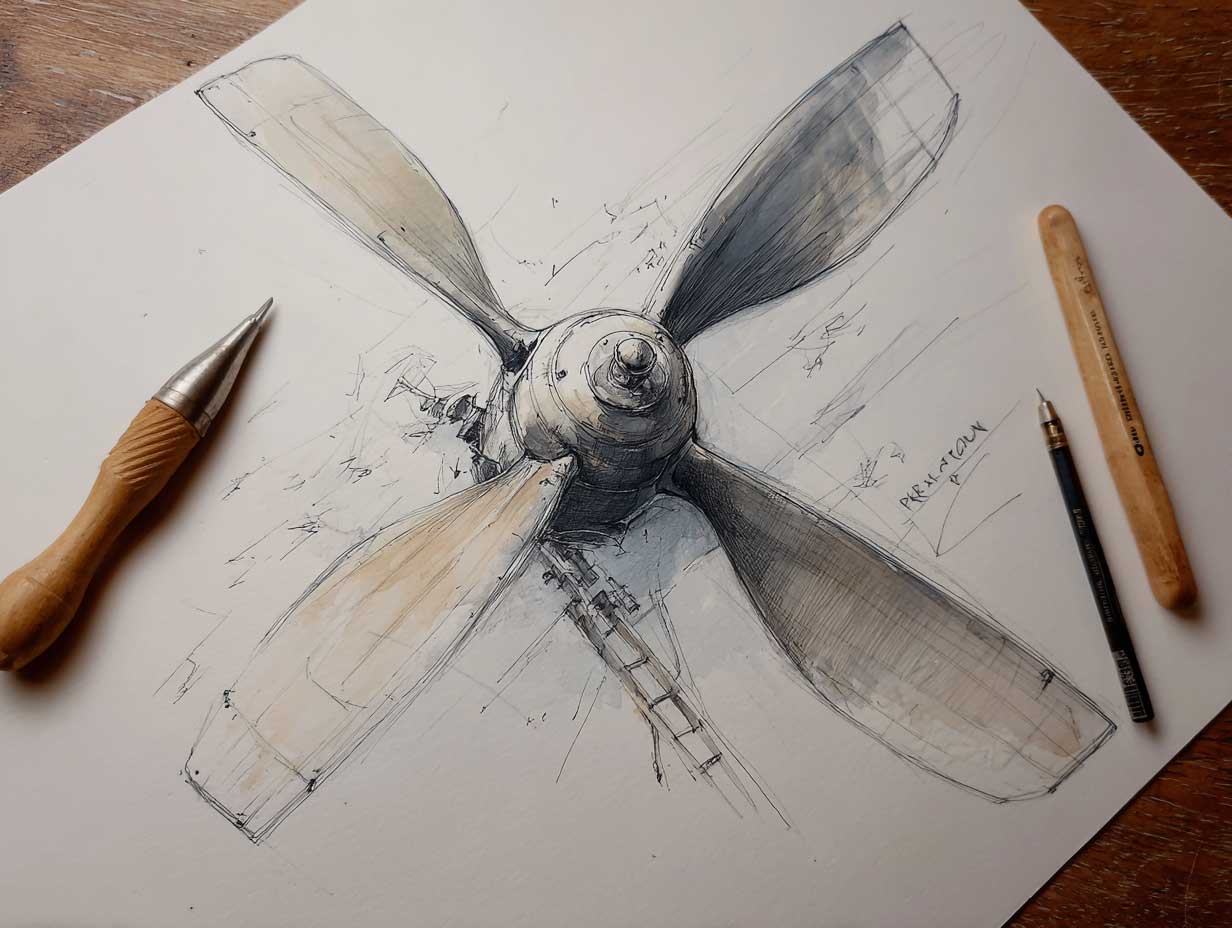
    The raw water impeller catamaran search usually comes from owners who have heard the same story: the engine overheated because a small rubber impeller failed. That story is common because the part is simple and essential.

    The impeller sits inside the raw-water pump. Its flexible blades draw seawater through the seacock and strainer, push it through the heat exchanger, and send it into the exhaust system. If the impeller fails, cooling flow drops or stops. The engine overheats. The exhaust note may change. The seawater outlet may show little or no flow. In some cases, broken vanes travel downstream and block the heat exchanger.

    Yanmar’s JH schedule calls for checking or replacing the seawater pump impeller at 250 hours or one year, and replacement at 1,000 hours or four years even if it appears undamaged. Many offshore owners choose a more conservative annual impeller change, especially before a long passage, because the part is inexpensive compared with the consequences of failure.

    The DIY owner should close the seacock before opening the pump. He should photograph the cover orientation, remove the cover screws carefully, extract the impeller, inspect every blade, lubricate and install the new part in the correct rotation, replace the gasket or O-ring, reopen the seacock and verify flow immediately after start-up.

    The most important detail comes after removal. If any blade is missing, it must be found. The missing rubber may be in the pump outlet, hose, heat exchanger or mixing elbow. Ignoring it can create a second cooling problem after the first one appears solved.

    The anodes demand model-specific judgement

    The phrase engine zincs catamaran is widely used by owners, but it needs precision. Anodes are sacrificial metals used to protect more valuable metals from galvanic corrosion. They may be zinc, aluminium or magnesium depending on water type and manufacturer guidance. Salt water, brackish water and freshwater can require different choices.

    On older marine engines, pencil zincs may be fitted in heat exchangers or oil coolers. Some modern engines do not have the same routine engine zinc arrangement. Yanmar’s current JH common-rail maintenance table does not present pencil zinc replacement as a standard annual owner item for the 4JH45, 4JH57, 4JH80 and 4JH110 schedule. That does not mean a catamaran has no anodes. It means the owner must identify the exact protection points on his installation.

    A catamaran may have propeller anodes, shaft anodes, hull anodes, bow-thruster anodes, generator anodes and heat-exchanger anodes depending on equipment. The exact list depends on the yacht and its systems. The wrong anode material can protect badly. A painted anode is useless. A loose anode is dangerous.

    The annual service should include removing, weighing or visually assessing anodes, replacing any anode that is heavily wasted, cleaning contact surfaces and checking bonding where applicable. Anodes should be inspected regularly and replaced according to the manufacturer’s recommendations or whenever their remaining material is considered insufficient to ensure proper protection.

    The frank point is this: anodes are not decorative metal lumps. They are corrosion insurance.

    The belts, hoses and clamps reveal the yacht’s real condition

    Belts and filters are small parts, but they tell the truth about maintenance culture. A glazed belt, black belt dust, cracking, frayed edges or poor tension points to neglect or misalignment. Yanmar guidance for general maintenance highlights belt-tension adjustment at 250 hours and replacement if necessary. On the JH schedule, alternator V-ribbed belt tension is part of the 250-hour or one-year service, with replacement appearing in the longer 1,000-hour or four-year interval.

    On a cruising catamaran, the alternator belt has particular importance. Engines often support battery charging. A slipping belt can reduce output, overheat, shed dust and fail at a bad moment. Carrying a spare belt for each engine is basic seamanship.

    Hoses deserve the same attention. Fuel hoses, coolant hoses and raw-water hoses live in heat, vibration, salt and confined spaces. The JH schedule calls for rubberized fuel and water hoses to be replaced every two years. Even when a hose looks acceptable, the clamp may be weak, corroded or cutting into the rubber. Double clamps may be appropriate on some raw-water connections, but only when the fitting has enough length and the clamps are correctly installed.

    The DIY owner should squeeze hoses by hand, inspect bends, look for salt crystals, check clamps with a tool and photograph anything suspicious. Salt residue often reveals a small leak before the leak becomes obvious.

    The pre-passage inspection gives bluewater maintenance its meaning

    Annual service is essential. It is not enough before an ocean passage. Before any offshore passage, even if the annual service has recently been completed, owners should perform a dedicated pre-passage inspection. This should include spare parts inventory, belt condition, impellers, fuel filtration systems, emergency repair kits, raw-water strainers, shaft seals, batteries, charging output, control cables, engine mounts and cooling-water flow.

    The logic is simple. A passage changes the consequences of failure. A blocked fuel filter near a marina is inconvenient. The same filter problem 1,000 nautical miles from land becomes a safety issue. A worn belt at anchor is easy to replace. A worn belt in a seaway is another matter.

    A Privilège owner preparing for an Atlantic crossing should know exactly where the spare impellers are stored, which belt fits which engine, which filter belongs to the primary separator, how to close each seacock, how to bleed the fuel system and how to communicate the problem to a technician by satellite if needed.

    Bluewater maintenance is practical. It is also mental preparation. The owner leaves port with fewer unknowns.

    The daily checks make the annual service meaningful

    Annual service will not protect an engine that is ignored during use. Daily checks remain essential. Before departure, the owner should inspect the engine exterior, look for oil, fuel or coolant leaks, check oil level, check coolant level where appropriate, inspect the bilge under the engine, verify the fuel-water separator, check belt condition and confirm the seacock is open.

    After starting, the owner should check the exhaust outlet. There should be a regular discharge of cooling water. The engine should settle into normal sound and vibration. The alarm panel should behave normally. Any change in smell, smoke, sound or temperature deserves attention.

    This is where ownership becomes intelligent. A professional mechanic may perform the annual service, but the owner is the person who hears the engine every day. He is the first diagnostic instrument on board.

    The DIY boundary should be clear and respected

    Many owners can change oil, replace filters, change an impeller, inspect belts, clean strainers and check anodes. These are useful skills. They increase autonomy and reduce anxiety during cruising.

    Other tasks require professional competence. Valve-clearance adjustment, injector work, common-rail diagnostics, turbocharger service, engine alignment, major cooling-system cleaning, ECU diagnostics and persistent overheating problems should involve trained technicians. Yanmar itself marks some maintenance items for consultation with an authorised dealer or distributor. That distinction should be respected.

    The goal is not to turn every owner into a mechanic. The goal is to make the owner informed enough to maintain the basics, notice early warning signs and speak clearly with professionals.

    At Privilège Marine, this approach fits the yacht’s purpose. A Privilège is a safe ocean-crossing catamaran and a true floating home. That home depends on systems that must work quietly and reliably. Engine maintenance is part of comfort, safety and independence.

    A Privilège catamaran is designed to cross oceans and carry its owners safely to the next horizon. Reliable propulsion is not simply a technical requirement. It is part of the confidence that allows owners to cast off their lines and leave port with peace of mind.